

Recent Blogs
Stay updated with our latest blog posts.

Following the right seasonal HVAC and plumbing tips for East Bay homes can be the difference between a comfortable, efficient house and a costly emergency repair bill. The East Bay's climate is deceptively demanding — mild winters give way to atmospheric rivers, and dry springs can spike into triple-digit inland heat almost overnight. For homeowners in Pittsburg, Concord, Brentwood, Walnut Creek, and throughout Contra Costa County, that kind of seasonal whiplash puts real stress on heating, cooling, and plumbing systems year-round.
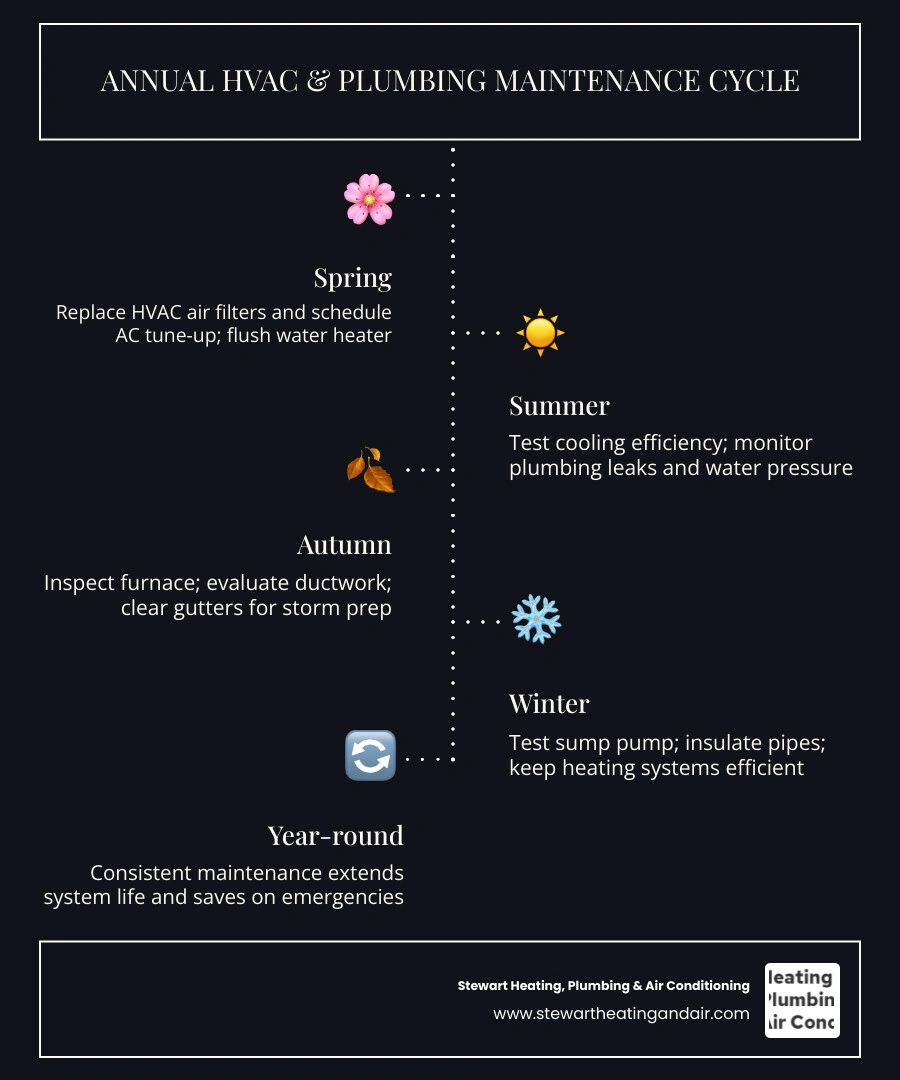
Here's a quick overview of the most important seasonal maintenance tasks to stay on top of:
Spring (March–May)
Summer (June–August)
Fall (September–November)
Winter (December–February)
The good news: most major breakdowns are preventable. A consistent, season-by-season maintenance routine protects your home, keeps energy bills in check, and extends the life of your systems.
Explore more about seasonal hvac and plumbing tips for east bay homes:
Many homeowners think of Northern California as having a single, uniformly "mild" climate. However, those of us living in Contra Costa County know that our local geography is defined by intense microclimates. A summer afternoon in Orinda or Lafayette might be a comfortable 78°F, while just a few miles east in Pittsburg, Antioch, or Brentwood, the thermometer is pushing past 100°F.
These rapid temperature swings put unique pressure on your home’s heating and cooling systems. During seasonal transitions, your HVAC equipment must pivot quickly from idle winter mode to maximum-capacity summer cooling. Without proactive care, these abrupt shifts can cause system components to fail right when you need them most. You can read more about this in our guide on How Seasonal Temperature Swings Affect Your System.
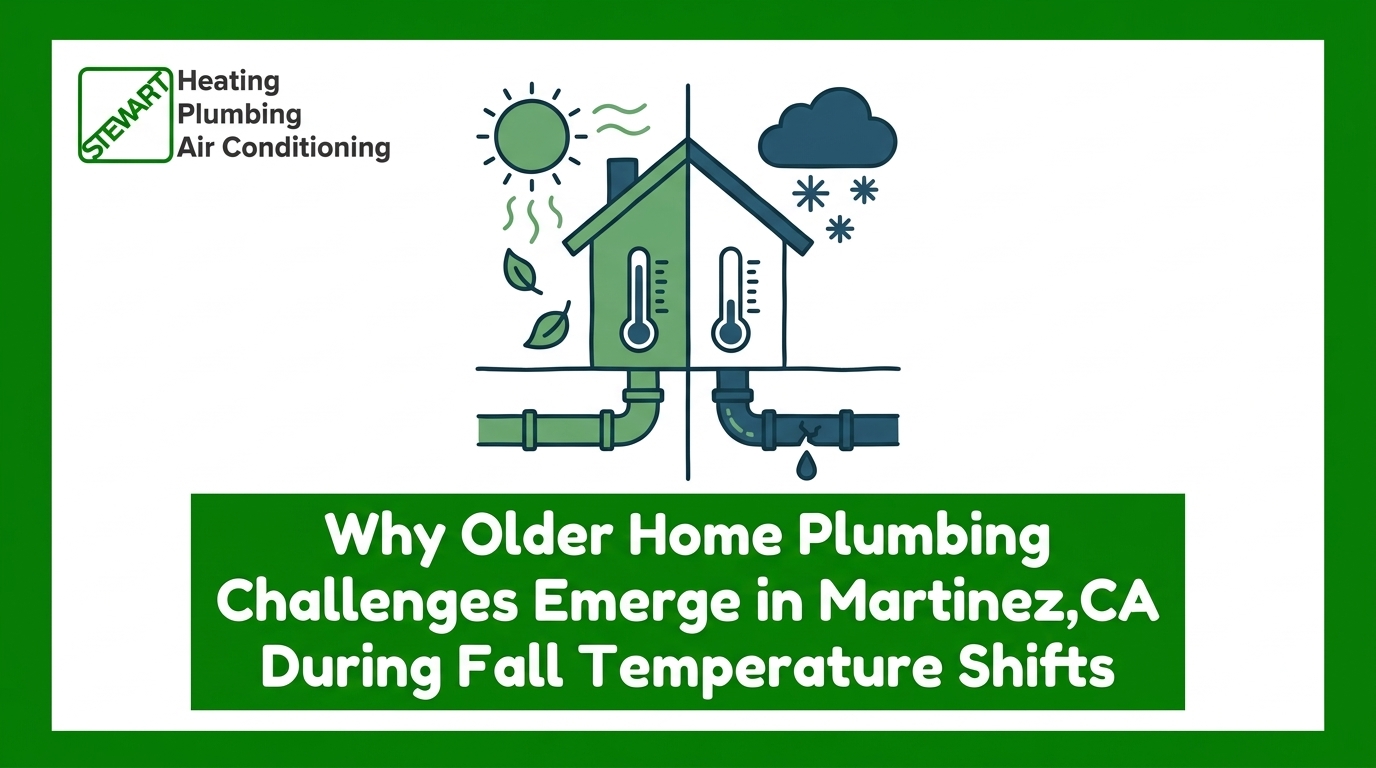
Beyond the air inside your home, our local geology also plays a major role in your plumbing health. The East Bay is notorious for its expansive clay soils. When heavy winter rains saturate the ground, this clay expands significantly. In the dry summer and fall months, the soil shrinks and cracks. This constant shifting puts immense physical stress on underground water lines and sewer pipes, often leading to offset joints, cracked lines, and root intrusion.
By understanding How Contra Costa County Climate Affects Your HVAC and Plumbing, you can take preventative steps to protect your property. Adopting a proactive mindset is the key to avoiding sudden system breakdowns. For a complete look at these regional climate factors, check out our comprehensive overview of the East Bay Climate HVAC Plumbing Complete.
When spring arrives in the East Bay, it brings beautiful weather—but it also signals that triple-digit summer heatwaves are just around the corner. Inland areas like Concord, Walnut Creek, and Danville regularly experience intense summer temperatures. Getting your cooling system ready in March or April is the smartest way to avoid the mid-summer rush when HVAC technicians are booked weeks in advance.
To ensure your home remains a cool sanctuary, we recommend reviewing our steps for Getting Your Cooling System Ready for Warm Weather. If you live in the central county corridor, securing a Seasonal Tune-Up Concord CA early in the spring guarantees your system is operating at peak efficiency before the first heatwave strikes.
Spring is the ultimate transition checklist window. Here are the core tasks every East Bay homeowner should tackle:
Once summer settles in, the focus shifts to maintaining high efficiency and catching hidden plumbing issues before they escalate:
As we transition into autumn and look ahead to the winter of 2026-2027, our home maintenance focus shifts from cooling to heating reliability and storm preparation. The East Bay has experienced increasingly severe atmospheric river events and strong winter storm clusters. Taking a proactive approach in the fall protects your home from water intrusion and ensures your heating system is ready for chilly nights.
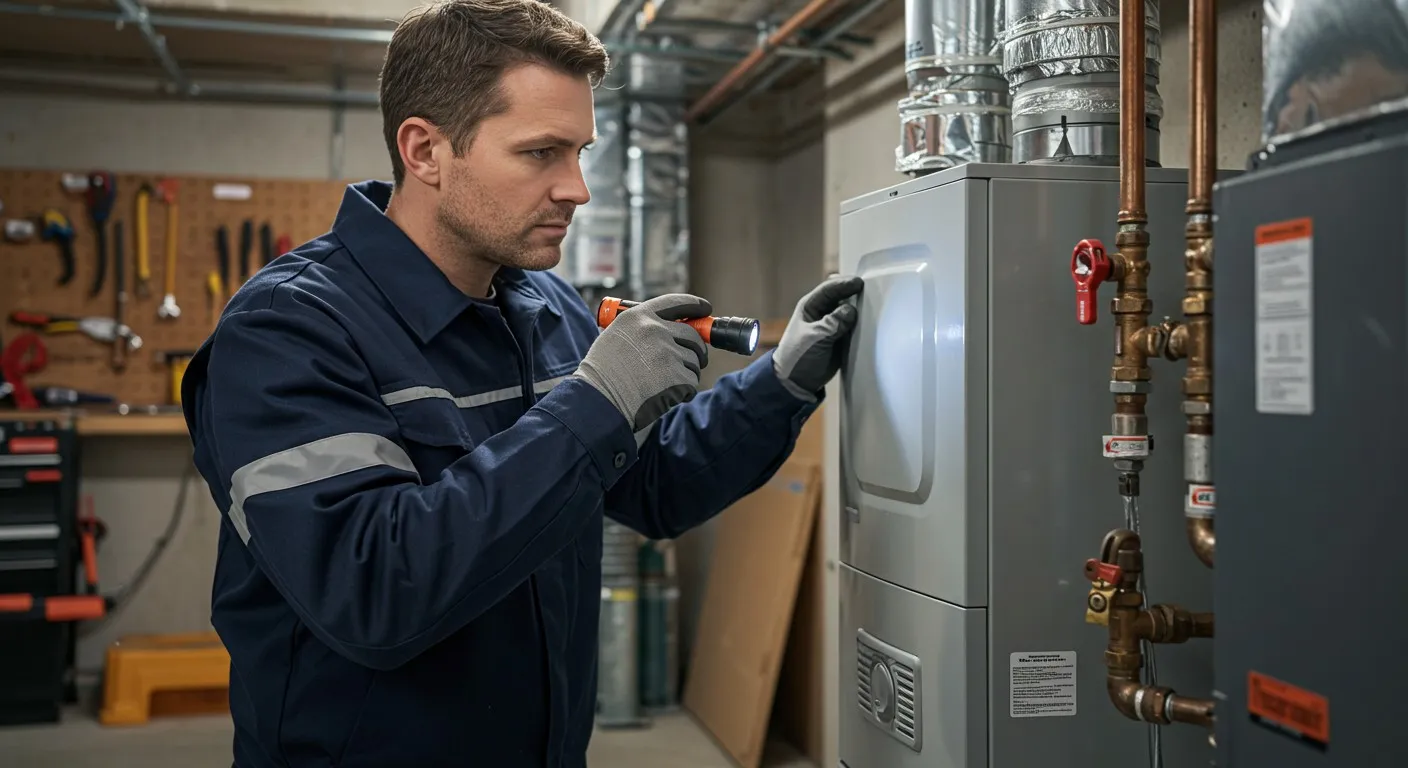
Understanding How to Prevent HVAC Emergencies with Maintenance is essential for avoiding sudden furnace failures when the temperature drops.
Before turning your heater on for the season, perform these critical comfort and safety checks:
Winter in the East Bay is all about moisture management and freeze protection. Keep these tasks at the top of your list:
The ideal schedule is twice a year: spring (March or April) for your air conditioning system, and fall (September or October) for your heating system. Scheduling during these shoulder seasons ensures your systems are fully prepared before extreme weather hits. It also helps you avoid peak-season delays when local technicians are busy responding to emergency breakdowns.
Heavy rainfall saturates our local clay soils, causing them to expand and put immense pressure on underground pipes. This shifting can crack sewer lines or break pipe joints. Additionally, poor yard drainage can cause water to pool around your foundation or flood crawlspaces, making reliable sump pumps and clear gutter systems absolutely essential.
For your HVAC system, watch for sudden increases in your monthly utility bills, weak airflow, uneven temperatures, or unusual rattling and squealing noises. For your plumbing, early warning signs include slow-draining sinks, a sudden drop in water pressure, musty odors in your cabinets, or the sound of running water when all faucets are turned off.
Taking care of your home’s heating, cooling, and plumbing systems shouldn't feel like guesswork. By staying consistent with these seasonal HVAC and plumbing tips for East Bay homes, you can enjoy lower energy bills, reliable indoor comfort, and complete peace of mind through every weather shift.
At Stewart Heating, Plumbing & Air Conditioning, we are proud to serve families throughout Pittsburg, CA, and across Contra Costa County. Our absolute focus on quality and customer satisfaction means we do things right the first time, helping you keep your home safe and comfortable year-round.
Ready to prepare your home for the upcoming season? Schedule your seasonal heating and plumbing service with Stewart Heating, Plumbing & Air Conditioning today!

Very professional and complete. I would recommend Stewart to anyone. Highest quality of workmanship and clean installation.
Stewart Heating Plumbing Air Conditioning just did some work for us for the first time. They did an installation at my home and it turned out well. I thought the price was fair and I definitely would use them again. The technicians were very friendly and knowledgeable about their work. I highly recommend Stewart Heating Plumbing Air Conditioning and already told friends to use them.
We have been using Stewart Heating Plumbing Air Conditioning since 1995. They put the original heating and air unit in the house, and we have just stayed with them. They are dependable and honest people, and they have done a good job for us every time that we have used them!
They came and did an inspection and are coming tomorrow to do the repair.
They replaced a regulator the first time, and then the water heater vent had to be replaced. They did great work.
The gentleman that serviced us was helpful, insightful, and knew what he was talking about. Overall, it was a great experience.