

Recent Blogs
Stay updated with our latest blog posts.

Your shower water just turned icy cold without warning, leaving you wondering if it is time to start diagnosing a tripped pressure switch on your tankless water heater. A sudden mechanical lockout is a jarring experience. One minute you are enjoying a steady stream of hot water, and the next, the burner shuts down entirely, leaving you with nothing but cold water and a blinking error code on your digital display.
In our experience serving Pittsburgh CA local homes, our plumbing team frequently finds that this abrupt loss of hot water traces back to a specific safety monitor inside the unit: the pressure switch. This small but vital component acts as the gatekeeper for your system's ignition sequence. When the system detects an unsafe condition, it intentionally locks you out to protect your home and your family.
The primary diagnostic decision point you face is determining whether the system is suffering from a simple airflow blockage or if the mechanical switch itself has broken down. Finding the correct answer requires moving past the frustration of a cold shower and understanding the exact mechanical logic your system uses to operate safely. If you need immediate help, our professional plumbing services can step in to get your system back online safely.
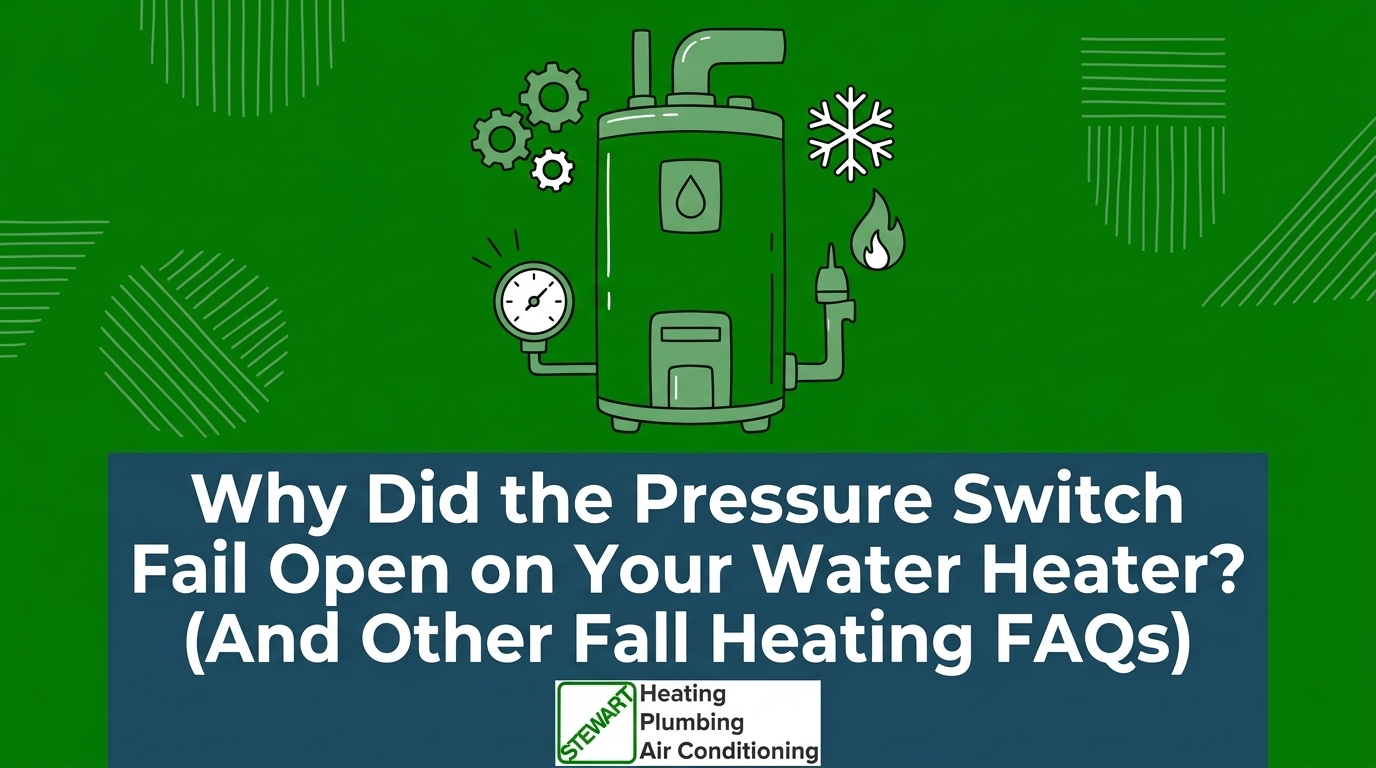
To understand why your system locked out, we first need to define what a "pressure switch failed open water heater" actually means in mechanical terms. This phrase often appears in manufacturer manuals or as a translation of a specific error code, but the underlying mechanics are highly specific.
Inside your tankless unit, a draft inducer fan activates right before the gas burner ignites. This fan has a critical job: it pulls fresh combustion air into the system and forces toxic exhaust gases—specifically carbon monoxide—out through the exterior venting pipes. The pressure switch is connected to this fan via a small rubber tube. Its sole purpose is to monitor the negative pressure created by the fan. If the fan is moving enough air to safely vent the exhaust, the suction pulls a small internal diaphragm inside the switch.
When that diaphragm is pulled, it closes an electrical circuit, sending a signal to the control board that it is safe to open the gas valve and ignite the burner. However, if the switch does not detect enough suction, the diaphragm remains in its resting position. In electrical terms, the circuit remains "open."
When the switch fails open, it intentionally breaks the electrical circuit. This mechanically locks out the burner ignition sequence. The gas valve will not open, and the igniter will not spark. While a sudden lack of hot water is an annoyance, a switch failing open is actually a highly successful safety intervention. It means the system recognized a potentially dangerous venting issue and shut itself down exactly as it was engineered to do.
Many homeowners associate water heater venting issues with freezing winter temperatures or heavy condensation. However, our technicians know firsthand that the environmental factors triggering a lockout shift dramatically as the seasons change. In the East Bay and Pittsburg area, peak July weather brings dry, breezy summer conditions that introduce an entirely different set of challenges for exterior intake and exhaust vents.
During the height of summer, elevated winds whip up dry soil, loose leaves, and yard debris. Because your tankless water heater relies on exterior pipes to draw in fresh air and push out exhaust, these vent terminations are highly vulnerable to wind-blown obstructions. A pattern we see often is a strong summer breeze forcing a layer of dust, dandelion seeds, or dry grass against the intake screen. As this debris accumulates, it chokes off the air supply. The draft inducer fan works harder, but it cannot generate enough suction to pull the diaphragm inside the pressure switch. Consequently, the switch remains open, and the system locks out.
Warm weather also brings an increase in pest activity around Pittsburgh CA local homes. Wasps, mud daubers, and small birds frequently seek out the sheltered, cylindrical spaces of exterior vent pipes to build their nests. A mud dauber nest constructed inside an exhaust pipe creates a severe restriction in airflow. When the water heater attempts to fire up, the pressure switch instantly detects that the exhaust gases cannot escape at the proper velocity. The switch trips, preventing the burner from igniting and forcing exhaust gases back into your living space.
When our technicians arrive to troubleshoot a system that refuses to ignite, we do not simply guess at the problem. We follow a strict, step-by-step diagnostic logic to isolate the root cause. The goal is to determine if an external factor is choking the airflow or if the internal microswitch has failed mechanically.
1. Visual Inspection of Exterior Terminations: The very first step our team takes is ruling out external blockages. We examine the exterior intake and exhaust vent screens for leaves, dust buildup, or pest nests. If the vents are blocked, clearing them often restores the proper pressure differential immediately.
2. Draft Inducer Fan Assessment: If the exterior vents are clear, our focus moves inside the cabinet. We initiate a call for hot water and listen to the draft inducer fan. If the fan fails to spin up, or if it grinds and struggles, the pressure switch is staying open simply because the fan is failing to create a draft.
3. Tubing and Port Inspection: The small rubber tubing connecting the fan housing to the pressure switch is inspected next. We look for cracks, moisture buildup, or a blockage at the port connection. Even a tiny pinhole leak in this tube will prevent the switch from sensing the fan's suction.
4. Multimeter Testing for Continuity: If the fan runs perfectly and the tubing is intact, the switch itself must be tested. Our professionals use a digital multimeter to test the microswitch for electrical continuity. We also use a digital manometer to measure the exact inches of water column (WC) pressure being generated. If the manometer shows the fan is pulling the correct vacuum, but the multimeter shows the switch remains electrically open, the switch has suffered a mechanical failure and must be replaced.

When faced with a lack of hot water, some homeowners search online for quick fixes and discover videos demonstrating how to bypass a water heater pressure switch. This involves disconnecting the wires from the switch and jumping them together to trick the control board into thinking the switch is closed. This is an incredibly dangerous practice that should never be attempted.
Bypassing a tripped switch removes the only safety mechanism monitoring your exhaust venting. If the switch originally tripped because a bird nest is blocking the exhaust pipe, jumping the wires forces the burner to ignite anyway. Because the toxic exhaust gases have nowhere to go outside, they will backdraft and spill directly into your home. This creates an immediate, life-threatening risk of carbon monoxide poisoning. Additionally, forcing a system to run with restricted airflow causes extreme heat buildup inside the combustion chamber, introducing a severe fire hazard.
The switch failing open is always a symptom of a larger airflow or mechanical problem that must be resolved, not ignored. Any work involving gas combustion, exhaust venting, and internal safety mechanisms requires the training of a licensed professional. If your system is locked out, the safest path forward is scheduling proper tankless water heater repair in Pittsburg to address the root cause.
Demystifying the professional repair process helps homeowners understand exactly what they are paying for when our technicians arrive. Resolving a pressure switch error is rarely a matter of just swapping a part and walking away. It requires a precise, methodical approach to ensure the entire combustion system is operating safely.
Our licensed technicians begin by inspecting the entire venting run, from the top of the heat exchanger all the way to the exterior wall. We verify that the draft inducer motor is pulling the correct amperage and spinning at the proper RPMs. Using specialized diagnostic tools, we verify the proper water column pressure to ensure the new switch will be calibrated correctly to the fan's output.
If the microswitch has mechanically failed, our team will safely replace it using only OEM-approved parts designed specifically for your make and model. We never recommend universal parts for safety switches, as the pressure ratings must match the manufacturer's exact specifications to the hundredth of an inch.
Clear communication is a hallmark of experienced professionals. For example, one longtime Concord homeowner of 33 years recently experienced a recurring system issue during the warmer months. Our responding technician, Jamie, took the time to explain exactly what was wrong mechanically and outlined the steps needed to prevent the issue from recurring. The homeowner felt confident in the diagnosis and ultimately signed up for a maintenance contract. This level of technical transparency is exactly what you should expect. As a team at Stewart Heating, Plumbing and Air Conditioning serving the community since 1974, we ensure our extensive local expertise translates directly into accurate diagnostics and honest explanations of complex mechanical failures.
Transitioning from reactive repair to proactive prevention is the best way to avoid unexpected cold showers. Routine care keeps your safety switches functioning properly and ensures your venting remains clear year-round.
A reliable service schedule makes a significant difference. In one recent case our dispatch handled, a customer realized they had overdue appointments for both their A/C and water heater. Our technician, Sergio, quickly scheduled both services, ensuring the overdue maintenance was handled promptly and thoroughly. Staying on top of these tasks prevents minor airflow restrictions from turning into total system lockouts.
Here is what a structured approach to keeping your vents clear looks like:
• Visual exterior inspections: Walk around your home once a month during the summer to check your exterior vent terminations. Ensure they are free of blowing dust, tall weeds, and cobwebs.
• Pest monitoring: Keep an eye out for wasps or birds hovering near your exhaust pipes, as this often indicates a nest is being built inside.
• Professional internal cleaning: Our licensed technicians will open the cabinet to clean the draft inducer fan blades, removing dust that can slow the motor and reduce suction.
• Safety switch testing: During a tune-up, our professionals test the pressure switch and its tubing to ensure it is reacting accurately to changes in draft pressure.
• System calibration: Routine care includes checking the gas pressure and burner performance to ensure the entire combustion cycle is operating efficiently.
Enrolling in a routine water heater maintenance plan takes the guesswork out of system care, providing long-term reliability and ensuring your safety mechanisms are always tested before they fail.
A failed open pressure switch is not just a nuisance; it is a vital safety mechanism actively protecting your home from unsafe combustion and carbon monoxide buildup. Understanding how this switch monitors your draft inducer fan helps clarify why your unit shut down in the first place. Proper diagnosis requires distinguishing between a simple summer venting blockage caused by dust or pests, and a complex mechanical failure of the microswitch itself.
Because these systems involve gas lines and toxic exhaust, you should always rely on professional, transparent diagnostics to safely restore your hot water. By trusting our licensed experts to test the pressure differentials and verify the venting runs, you ensure your tankless unit operates exactly as the manufacturer intended. If you are dealing with a recurring error code or a sudden loss of heat, reach out to our team for expert tankless troubleshooting to get your home back to normal.
This means the safety switch monitoring your exhaust fan has mechanically broken the electrical circuit, preventing the burner from igniting. It happens when the switch fails to detect enough suction from the draft inducer fan to safely vent exhaust gases. By failing "open," the system locks out to protect your home from carbon monoxide buildup. It is a successful safety intervention that requires a professional to diagnose the root cause.
A pressure switch trips when there is an obstruction in the airflow or a failure in the exhaust fan. Common causes include debris blocking the exterior intake vents, a failing draft inducer motor, or a cracked vacuum tube inside the unit. In some cases, the internal diaphragm of the switch itself wears out and trips prematurely. A technician must test the pressure differential to determine the exact cause.
Professionals test a pressure switch using a digital multimeter and a digital manometer. The manometer measures the exact suction (in inches of water column) created by the exhaust fan to ensure adequate airflow. Simultaneously, the multimeter checks the switch for electrical continuity to see if it closes properly under that suction. Homeowners should never attempt to test or bypass these switches themselves due to the risk of carbon monoxide exposure.
Yes, a dirty or obstructed exhaust vent is one of the most common reasons a pressure switch trips. If leaves, dust, or pest nests block the vent pipe, the exhaust gases cannot escape at the proper speed. The pressure switch instantly detects this lack of airflow and breaks the circuit to shut down the gas burner. Keeping exterior vents clean is critical for preventing system lockouts.
Dry summer winds frequently blow dust, dirt, and yard debris directly into the exterior intake screens of your water heater. As this airborne debris accumulates over the summer months, it heavily restricts the fresh air entering the system. This restriction forces the draft inducer fan to work harder, eventually causing a drop in suction that trips the pressure switch and shuts off your hot water.
No, it is never safe to bypass a tripped pressure switch under any circumstances. Bypassing the switch removes the only safety monitor preventing toxic exhaust gases from spilling back into your home. If you force the burner to ignite while the venting is blocked, you create an immediate, life-threatening risk of carbon monoxide poisoning and fire. Always call a licensed professional to resolve a tripped switch.

Very professional and complete. I would recommend Stewart to anyone. Highest quality of workmanship and clean installation.
Stewart Heating Plumbing Air Conditioning just did some work for us for the first time. They did an installation at my home and it turned out well. I thought the price was fair and I definitely would use them again. The technicians were very friendly and knowledgeable about their work. I highly recommend Stewart Heating Plumbing Air Conditioning and already told friends to use them.
We have been using Stewart Heating Plumbing Air Conditioning since 1995. They put the original heating and air unit in the house, and we have just stayed with them. They are dependable and honest people, and they have done a good job for us every time that we have used them!
They came and did an inspection and are coming tomorrow to do the repair.
They replaced a regulator the first time, and then the water heater vent had to be replaced. They did great work.
The gentleman that serviced us was helpful, insightful, and knew what he was talking about. Overall, it was a great experience.