

Recent Blogs
Stay updated with our latest blog posts.

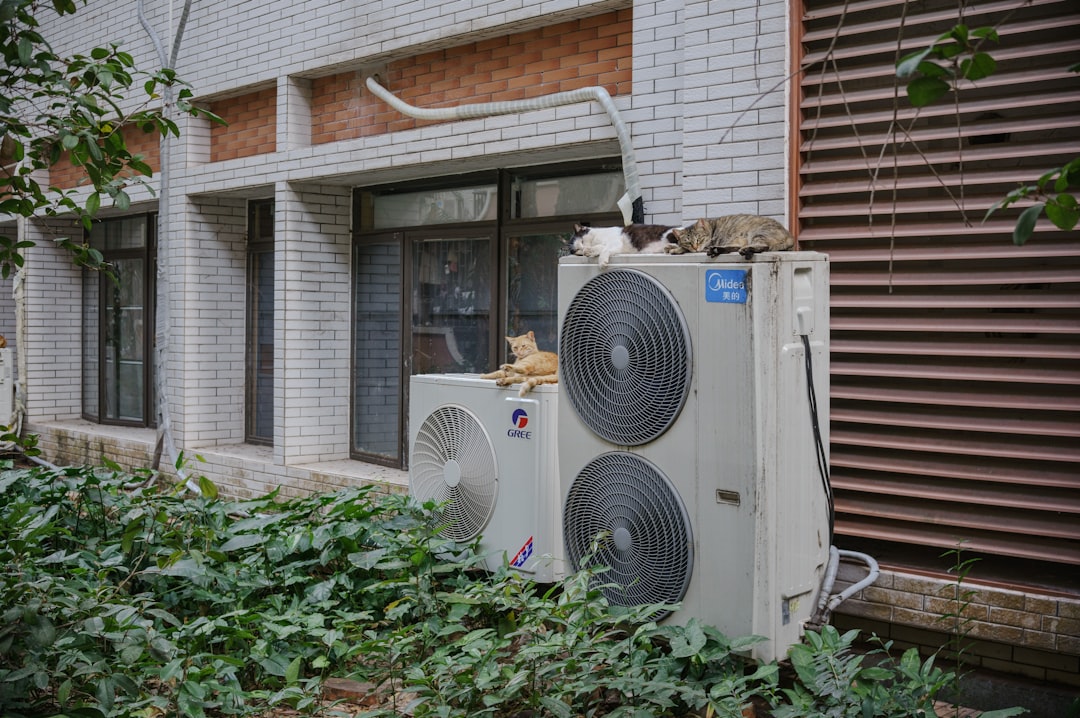
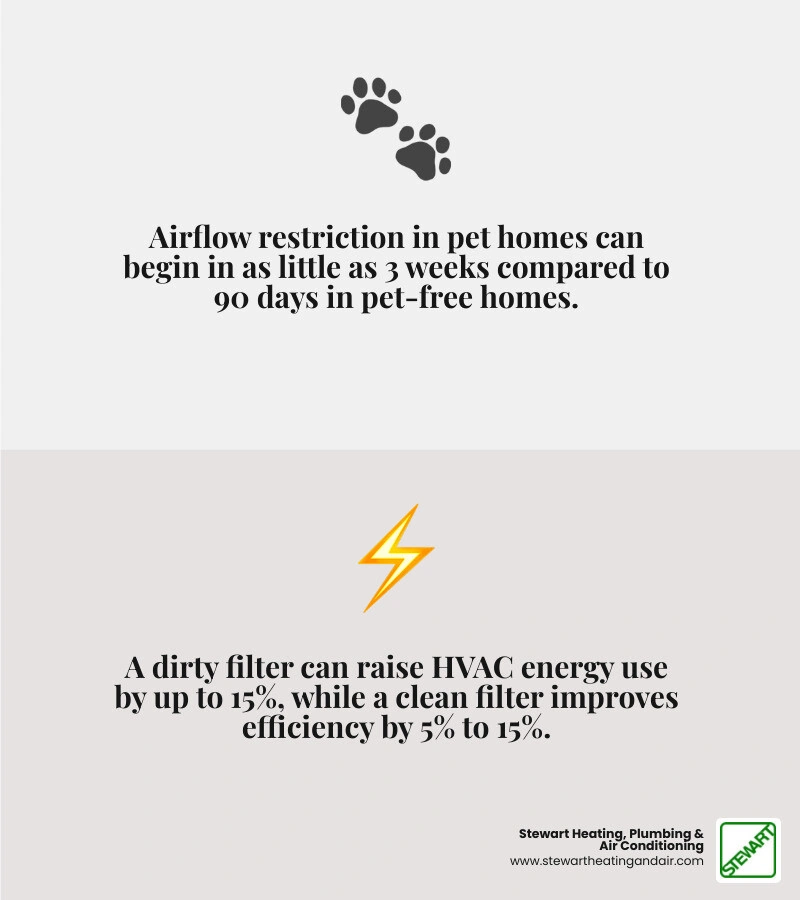
How pets affect how often you change your filter is one of the most overlooked factors in home HVAC maintenance. The standard advice says to replace your air filter every 90 days — but if you share your home with a dog, cat, or multiple furry companions, that timeline can be cut in half or more. Pet hair, dander, saliva proteins, and tracked-in debris all load your filter far faster than typical household dust. In fact, research shows that airflow restriction in pet homes can begin in as little as three weeks, compared to 90 days in pet-free homes.
Here's a quick look at how often you should change your filter based on your pet situation:
| Household Type | Recommended Filter Change Frequency |
|---|---|
| No pets | Every 90 days |
| One pet (light shedder) | Every 60 days |
| One pet (heavy shedder) | Every 45 days |
| Multiple pets | Every 30–45 days |
| Multiple pets + allergies or asthma | Every 20–30 days |
| Winter or sealed home with pets | Every 30 days or sooner |
For Contra Costa County homeowners — whether you're in Pittsburg, Concord, Antioch, or Walnut Creek — staying on top of filter changes is one of the simplest ways to protect your HVAC system, lower your energy bills, and keep your indoor air clean year-round.
Pets do not just leave fur on the couch. They change what moves through your return vents every day. Hair, dander, dried saliva proteins, litter dust, and outdoor dirt tracked in on paws all end up in your indoor air stream. Your filter catches a lot of that material, but the tradeoff is simple: the more it catches, the faster it loads up.
That matters because a clogged filter restricts airflow. Restricted airflow makes your system run longer, work harder, and lose efficiency. Research consistently shows a dirty filter can raise HVAC energy use by up to 15%, and replacing a clogged filter can improve efficiency by 5% to 15%.
In homes with pets, this can happen much faster than most homeowners expect. Indoor pollutant levels are often 2 to 5 times higher than outdoor levels, and pet dander is a major reason why in multi-pet homes.
Pet hair is the obvious culprit, but dander is often the bigger issue. Dander consists of tiny skin flakes and proteins that stay airborne longer than visible fur. Cats and dogs also carry dust, pollen, and fine debris from outside or from floors and furniture into the air your HVAC system circulates.
A few reasons pet filters load quickly:
If you have a heavy shedder, the filter can look a few months old after only a few weeks. That is especially true with 1-inch filters, which have less surface area than thicker media filters.
A one-pet home and a three-pet home are not in the same universe. Neither are a short-haired indoor cat and two large double-coated dogs who think mud is a personality trait.
In real homes, replacement timing usually works like this:
Other details matter too:
When the filter is overdue, the problem is not just the filter. The entire system feels it.
A loaded filter can cause:
In cooling season, restricted airflow can also contribute to evaporator coil problems. In heating season, it can make the furnace run hotter than it should. Either way, overdue filters increase wear and tear.
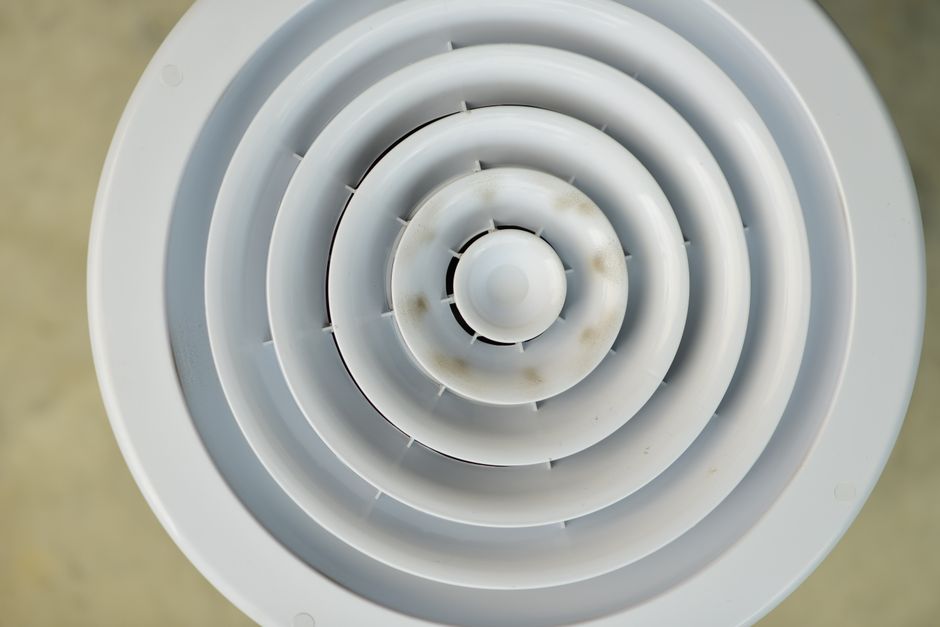
The best schedule is not based on wishful thinking or whatever was printed on the box for a pet-free house. It should reflect your actual home, filter thickness, pet count, and HVAC usage. As a starting point, we recommend pairing a calendar schedule with monthly inspection. Our guide on how often you should change your HVAC air filter goes deeper into general timing by filter type.
Here is a practical schedule:
| Filter Type | No Pets | One Pet | Multiple Pets | Heavy Shedders or Allergy Home |
|---|---|---|---|---|
| 1-inch filter | 60 to 90 days | 45 to 60 days | 30 to 45 days | 20 to 30 days |
| 2-inch filter | 90 days | 60 days | 45 days | 30 days |
| 4-inch filter | 6 to 9 months | 4 to 6 months | 3 to 4 months | Check monthly, replace as needed |
| 5-inch filter | 9 to 12 months | 6 to 9 months | 4 to 6 months | Check monthly, replace as needed |
These are starting ranges, not promises. If the filter looks loaded before the date arrives, change it.
Here is the simplest version:
A few common patterns we see:
Grooming matters more than many people realize. Research suggests consistent brushing and cleanup can noticeably extend filter life in pet homes.
Pets are year-round filter contributors, but some seasons are worse.
Spring and fall:
Winter:
Summer:
If your home is sealed up for long periods, treat the filter more aggressively. Winter is especially important because less natural ventilation means pet particles stay indoors longer.
If anyone in your home has allergies or asthma, pet-related particles matter even more. Dander is fine enough to stay airborne and continue circulating if the filter is loaded or poorly matched to the home.
In sensitive households, it is smart to:
If this sounds familiar, our page on Indoor Air Quality in Contra Costa County covers additional ways to improve air quality beyond the filter alone.
A pet home filter rarely sends a formal notice. It just starts causing clues.
Here are the early warning signs:
For more local homeowner tips, see our air filter replacement tips for Concord, CA.
The calendar is useful, but the filter itself tells the real story.
The most reliable routine is:
That photo trick helps more than people expect. After a few cycles, you will see your home's real pattern instead of guessing.
Sometimes the first sign is not the filter's appearance. It is how the house feels.
Watch for:
These clues often appear before homeowners think to check the filter.
Waiting too long can lead to more than lower comfort. It can put real strain on the system and indoor air.
Risks include:
If you are concerned about moisture and HVAC health, our article on how proper HVAC maintenance prevents mold growth is worth reading.
The best filter for a pet home is not automatically the highest MERV number on the shelf. It is the highest rating your system can handle while still maintaining healthy airflow.
For most homes with pets:
Our Indoor Air Quality services in Concord, CA can help if you need a whole-home solution rather than just trial and error with filters.
MERV 8:
MERV 11:
MERV 13:
Here is the key point: a clean MERV 11 usually performs better than a dirty MERV 13. Higher filtration is helpful, but only if you replace the filter before it becomes restrictive.
Thickness matters because it increases surface area.
In general:
That does not mean thicker filters are maintenance-free. Pet homes should still inspect them monthly. But if your system is designed for a deeper media filter, it can be a smart upgrade for airflow and maintenance intervals.
Filters help, but they are not the whole plan in a pet home. If dander, odors, and dust are persistent, it may be time to pair filtration with broader indoor air quality support.
That can include:
Learn more about indoor air quality in Walnut Creek, CA and when to consider help from certified air duct cleaners.
The best filter plan is the one you will actually follow. Fancy intentions do not catch dander.
For a simple system, start with these pet-friendly habits:
Our Air Filter Replacement Antioch, CA Guide has more practical replacement reminders.
You may not be able to stop shedding, but you can keep more of it out of the system.
Helpful habits include:
A little source control can reduce how much ends up airborne and eventually trapped in the filter.
Try this easy routine:
That routine works because it is simple. No guessing, no digging through a closet while the system is running, no trying to remember when you last changed it sometime around the holidays.
Pets will still affect the schedule, but good housekeeping can slow the load.
When source control improves, you usually get:
For more local guidance, visit our page on the best air filter replacement in Pittsburg, CA.
A good starting rule is:
If you use a 1-inch filter, lean toward the shorter end. If you use a deeper media filter, you may get longer life, but you should still inspect it monthly.
Not exactly faster by magic, but higher-MERV filters capture smaller particles, including more pet dander. That means they can load up sooner in a pet home. The benefit is better filtration. The tradeoff is that monthly inspection becomes even more important.
Yes. In winter, homes are usually more sealed, and the heating system often runs more. That combination traps dander indoors and moves it through the filter more often. In pet households, winter commonly calls for monthly checks and often monthly replacement.
If you have pets, the old 90-day rule is usually too long. Hair, dander, and tracked-in debris can shorten filter life dramatically, especially in homes around Pittsburg, Antioch, Concord, Walnut Creek, and the rest of Contra Costa County. Staying ahead of those changes helps protect airflow, support cleaner indoor air, and reduce unnecessary strain on your HVAC equipment.
At Stewart Heating, Plumbing & Air Conditioning, we believe the best maintenance is simple, consistent, and done right the first time. If you want help improving filtration, airflow, or overall indoor comfort, explore our indoor air quality services.

Very professional and complete. I would recommend Stewart to anyone. Highest quality of workmanship and clean installation.
Stewart Heating Plumbing Air Conditioning just did some work for us for the first time. They did an installation at my home and it turned out well. I thought the price was fair and I definitely would use them again. The technicians were very friendly and knowledgeable about their work. I highly recommend Stewart Heating Plumbing Air Conditioning and already told friends to use them.
We have been using Stewart Heating Plumbing Air Conditioning since 1995. They put the original heating and air unit in the house, and we have just stayed with them. They are dependable and honest people, and they have done a good job for us every time that we have used them!
They came and did an inspection and are coming tomorrow to do the repair.
They replaced a regulator the first time, and then the water heater vent had to be replaced. They did great work.
The gentleman that serviced us was helpful, insightful, and knew what he was talking about. Overall, it was a great experience.