

Recent Blogs
Stay updated with our latest blog posts.

Understanding how to prevent HVAC emergencies with maintenance is one of the most valuable things you can do as a homeowner — especially in Contra Costa County, where summer heat and winter cold push systems to their limits. According to industry research, 70% of homeowners experience an HVAC breakdown during peak seasons, and over 60% of those emergencies happen precisely when systems are under the most stress. Yet fewer than half of homeowners had their system professionally serviced in the past year.
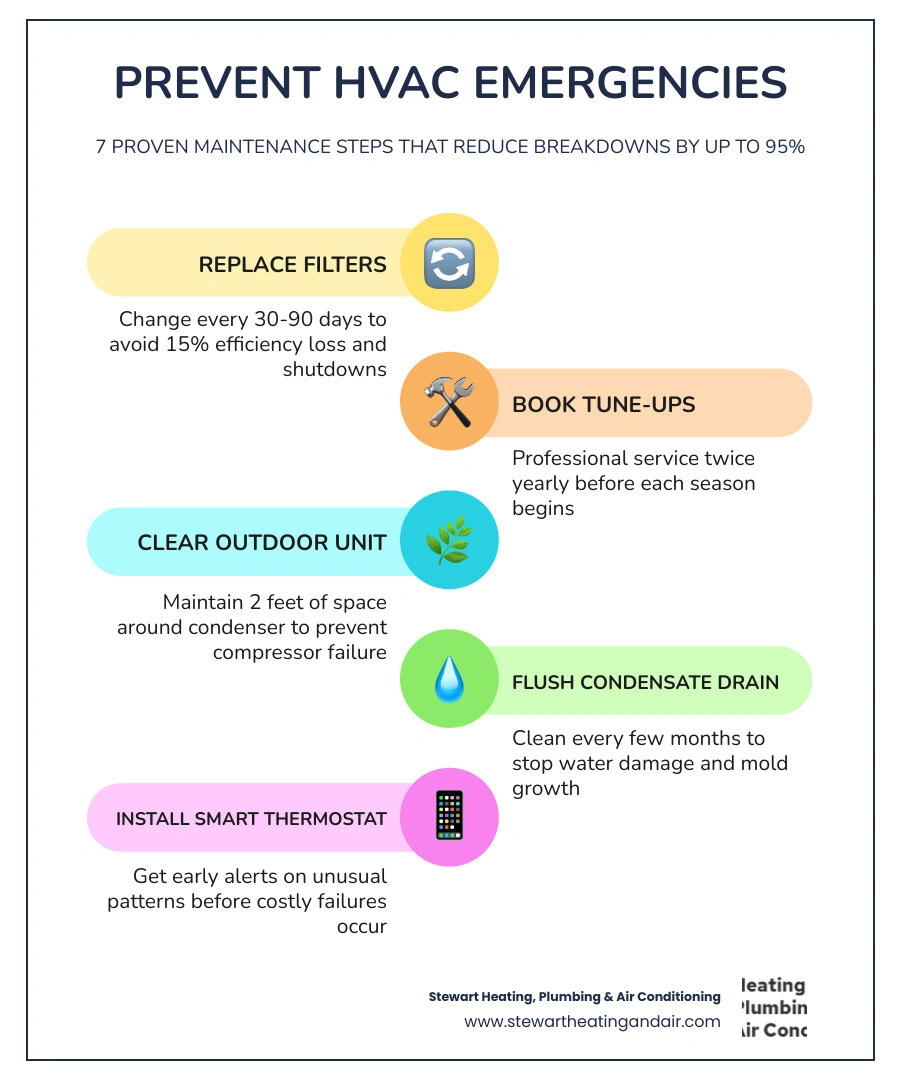
The good news? Most breakdowns are preventable. Here is a quick overview of the core steps that keep your system running reliably all year long:
The difference between a system that lasts 15 to 25 years and one that gives out in 8 to 10 often comes down to consistent, simple habits. Homeowners who keep up with regular maintenance are 50% less likely to face an emergency breakdown — and research from ABM suggests that structured maintenance can cut unexpected failures by up to 95%.
Whether you own a home in Pittsburg, Antioch, Brentwood, or anywhere across Contra Costa County, staying ahead of your HVAC system's needs is far less stressful — and far less expensive — than dealing with a failure on the hottest afternoon in July or the coldest night in January.
Basic how to prevent hvac emergencies with maintenance terms:
We often take our heating and cooling systems for granted until they decide to go on an unannounced vacation. In the middle of a scorching July afternoon in Concord, or a freezing January night in Danville, "ghosting" is the last thing you want from your HVAC unit. Proactive care is the single best way to ensure your system remains a loyal, hard-working member of your household.
When you invest time and attention into preventive care, you unlock several major benefits:
To understand why these benefits are so impactful, it helps to look at the "domino effect" of HVAC neglect. For instance, a small, inexpensive component like a capacitor might start to degrade. If left unaddressed during a routine check, the failing capacitor will force the fan motor or compressor to draw more electrical current. This extra strain causes the expensive compressor to overheat and eventually burn out. By checking these small parts early, we prevent the entire system from collapsing when you need it most.
If you are wondering whether structured professional oversight is right for your household, reading up on Is an HVAC Maintenance Plan Worth It can help clarify the long-term savings and peace of mind these programs provide.
While some technical procedures require specialized tools and licenses, there are plenty of simple, low-cost maintenance tasks you can safely handle yourself. By taking ownership of these basic chores, you play a massive role in keeping your home comfortable and emergency-free.
First, let's talk about moisture management. Your air conditioner doesn't just cool your home; it also extracts humidity from the air. This moisture collects on the indoor evaporator coil and drips into a condensate drain pan, eventually flowing outside through a small PVC pipe. Over time, algae, mold, and dust can build up inside this pipe, forming a thick clog. When the water has nowhere to go, it backs up into your home, leading to frozen coils, system shutdowns, and expensive water damage to your ceilings or floors.
To prevent this, locate your condensate drain line (usually a white PVC pipe near your indoor unit) and flush it with a cup of distilled white vinegar or a diluted bleach mixture every three months. This simple habit keeps the line clear and prevents biological growth. To learn more about how humidity, moisture, and airflow interact, check out our guide on How Proper HVAC Maintenance Prevents Mold Growth.
Another crucial DIY task is managing your home's airflow. Your system is carefully balanced to move a specific volume of air throughout your living spaces. When you close registers in unused rooms, block return vents with furniture, or let heavy dust accumulate on supply grilles, you disrupt this balance. This restriction raises static pressure inside your ductwork, putting extra strain on the blower motor and reducing overall system efficiency. Keep all vents open and unobstructed to ensure smooth, continuous airflow.
For a comprehensive breakdown of how often you should perform these tasks alongside professional visits, refer to our HVAC Service Frequency Complete Guide.
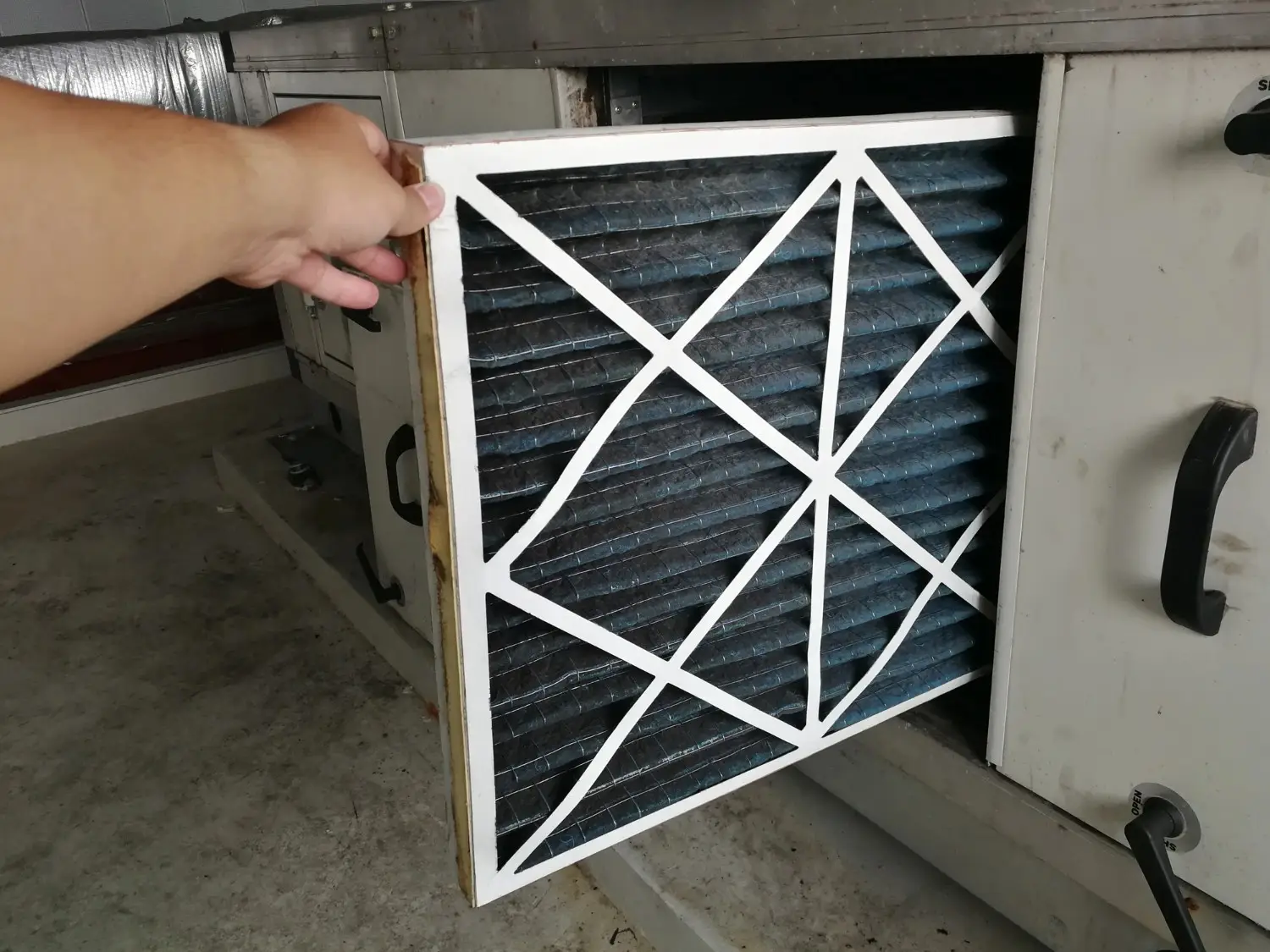
If there is a single most important task a homeowner can perform to prevent an HVAC emergency, it is changing the air filter. A dirty, clogged filter restricts airflow, which forces your system to run longer and work twice as hard to circulate conditioned air.
When airflow is severely restricted during the cooling season, the indoor evaporator coil can drop below freezing, causing condensation to turn into a solid block of ice. During the heating season, a clogged filter causes heat to build up inside the furnace exchanger, triggering the high-limit safety switch to shut the system down repeatedly to prevent a fire.
To keep your system happy, follow these filter best practices:
Your outdoor condenser unit is responsible for releasing the heat extracted from inside your home. To do this efficiently, the aluminum fins on the unit need constant, unobstructed access to outdoor air.
Always maintain a strict two-foot clearance rule around your entire outdoor unit. Trim back any shrubs, bushes, or overhanging tree branches that might crowd the condenser. Keep weeds pulled and ensure that grass clippings are not blown directly into the delicate metal fins when mowing.
Additionally, check the unit periodically for accumulated leaves, twigs, or windblown trash. Once or twice a year, turn off the power to the unit at the outdoor disconnect box and gently rinse the condenser coils with a low-pressure garden hose. Never use a pressure washer, as the high-pressure stream will instantly bend the fragile aluminum fins, permanently restricting airflow and leading to compressor overheating.
While DIY tasks are essential, they do not replace the need for a professional technician. Modern heating and cooling systems are highly complex, involving high-voltage electricity, flammable gases, and pressurized refrigerants. Handling these components yourself is not only unsafe, but it can also violate EPA regulations and void your equipment warranties.
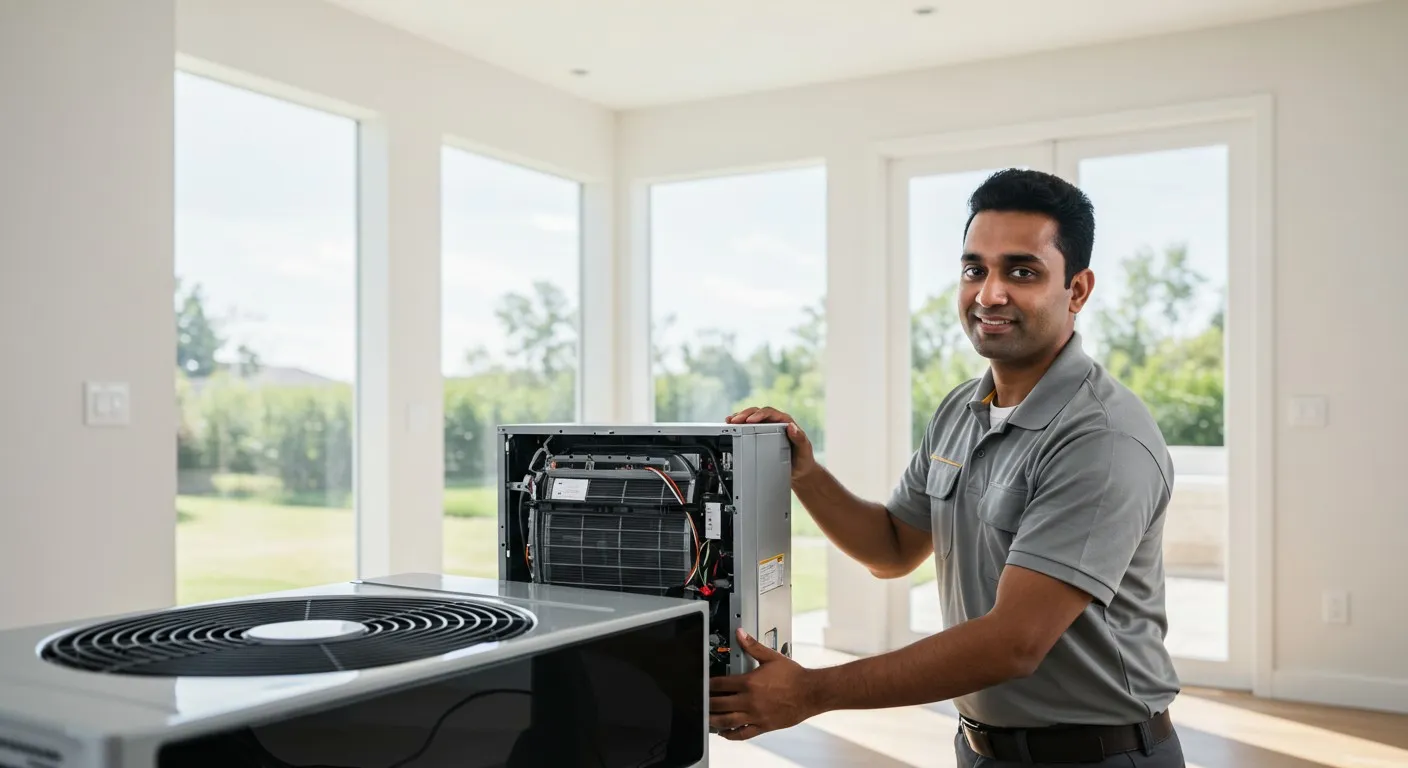
During a professional tune-up, our licensed technicians perform deep-level diagnostic checks that are impossible to do without specialized training and tools. We inspect electrical connections, measure electrical draw on motors, test safety controls, clean burner assemblies, inspect the heat exchanger for dangerous carbon monoxide leaks, and verify that refrigerant levels are precisely balanced.
To see how these responsibilities break down, review the comparison table below:
| DIY Maintenance Tasks (Homeowner) | Professional Tune-Up Checklist (Technician) |
|---|---|
| Inspect and change air filters every 30-90 days | Measure refrigerant charge and check for leaks |
| Clear debris and maintain 2-foot outdoor clearance | Inspect and tighten all high-voltage electrical connections |
| Flush condensate drain line with vinegar | Test safety controls and emergency shut-off switches |
| Keep indoor supply and return vents unobstructed | Perform combustion analysis and inspect heat exchanger |
| Monitor thermostat operation and replace batteries | Measure blower motor amp draw and lubricate bearings |
| Keep a log of system performance and filter changes | Clean evaporator and condenser coils deeply |
For a deeper dive into what our professional visits entail for each season, you can read our specialized AC Maintenance Concord CA Guide and our Furnace Maintenance Concord CA Guide.
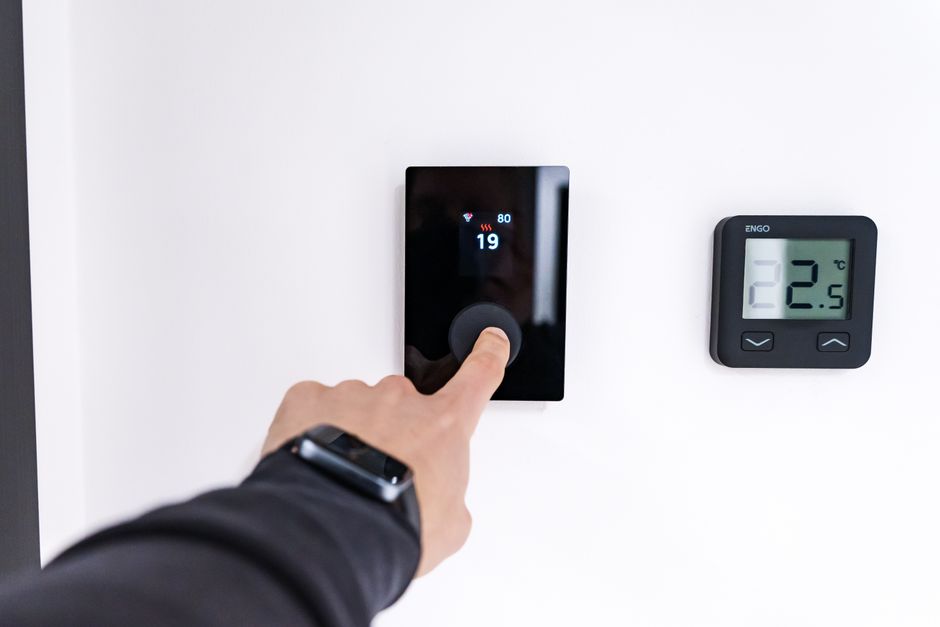
Roughly 40% of HVAC emergencies actually stem from thermostat malfunctions or communication issues. Upgrading to a smart thermostat is one of the easiest ways to leverage modern technology to prevent catastrophic system failures.
Smart thermostats do far more than just let you adjust the temperature from your phone. They act as early-warning systems for your entire HVAC network. By tracking system runtime and comparing it against local outdoor weather data, these devices can detect when your system is struggling to reach its setpoint.
Key preventive features of smart technology include:
Most HVAC emergencies do not happen completely out of the blue. Your system will almost always drop clues that it is struggling long before it suffers a total shutdown. Learning to recognize these early warning signs can save you from an uncomfortable, stressful emergency.
Keep an ear, nose, and eye out for the following red flags:
If your system does fail during extreme weather, your immediate priority should be safety. Close your curtains to block out the sun during a summer heatwave, drink plenty of water, and ensure that elderly family members, infants, and pets remain cool. If your furnace fails during a freezing winter night, keep doors and windows closed, wear layers, and run a safe space heater if available.
Before you call for emergency service, perform a quick three-step check: verify that your thermostat batteries are fresh, ensure your air filter isn't completely blocked, and check your electrical panel to see if a circuit breaker has tripped. If these quick steps don't resolve the issue, turn the system off entirely to prevent further damage and contact a professional immediately.
We highly recommend scheduling professional maintenance twice a year: once in the early spring (March or April) to prepare your air conditioner for the summer heat, and once in the early fall (September or October) to ensure your furnace or heating system is safe and ready for the winter cold. Systems that are over ten years old benefit immensely from these bi-annual visits to maintain efficiency and catch worn parts before they fail. For local homeowners, our HVAC Maintenance Concord CA Guide offers excellent regional insights on scheduling.
Yes, absolutely. A dirty filter is the leading cause of preventable HVAC emergencies. By restricting airflow, a clogged filter causes the indoor evaporator coil to freeze over in the summer, which can send liquid refrigerant back to the compressor, destroying it. In the winter, restricted airflow causes the furnace heat exchanger to overheat, triggering safety limits that shut the system down to prevent fire hazards or cracked heat exchangers.
Yes, a professional maintenance plan is highly worth it. Beyond the 95% reduction in emergency breakdown risks, joining our Maintenance Plan provides you with priority scheduling during peak seasons, discounts on repairs, and documented service history that keeps your manufacturer's warranty completely valid. It transforms reactive, stressful repairs into predictable, stress-free maintenance.
Preventing an HVAC emergency doesn't require a degree in engineering — it simply requires consistent, proactive care. By keeping up with simple DIY tasks like filter changes and outdoor clearing, watching for early warning signs, and partnering with a trusted professional for seasonal tune-ups, you can protect your home, your wallet, and your family's comfort all year long.
At Stewart Heating, Plumbing & Air Conditioning, we have spent years keeping homes comfortable across Pittsburg, Antioch, Concord, Brentwood, Walnut Creek, and the surrounding Contra Costa County communities. We pride ourselves on doing the job right the first time, ensuring you get the reliable service and peace of mind you deserve.
If your system is making a strange noise, or if it has been more than six months since your last professional check-up, don't wait for a breakdown to catch you off guard. Contact us today to schedule your preventative tune-up or to secure reliable HVAC repair in Lafayette, CA and the surrounding areas. We are always here to help!

Very professional and complete. I would recommend Stewart to anyone. Highest quality of workmanship and clean installation.
Stewart Heating Plumbing Air Conditioning just did some work for us for the first time. They did an installation at my home and it turned out well. I thought the price was fair and I definitely would use them again. The technicians were very friendly and knowledgeable about their work. I highly recommend Stewart Heating Plumbing Air Conditioning and already told friends to use them.
We have been using Stewart Heating Plumbing Air Conditioning since 1995. They put the original heating and air unit in the house, and we have just stayed with them. They are dependable and honest people, and they have done a good job for us every time that we have used them!
They came and did an inspection and are coming tomorrow to do the repair.
They replaced a regulator the first time, and then the water heater vent had to be replaced. They did great work.
The gentleman that serviced us was helpful, insightful, and knew what he was talking about. Overall, it was a great experience.