

Recent Blogs
Stay updated with our latest blog posts.

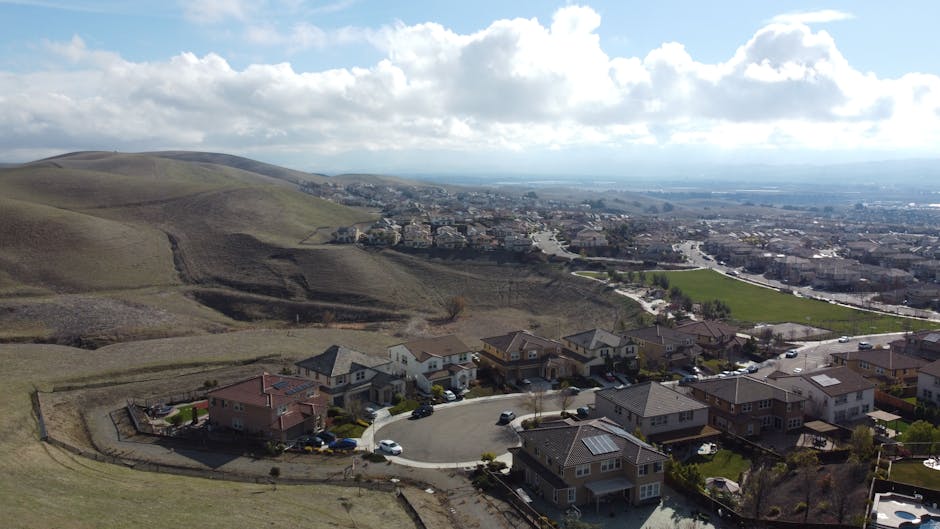
How east bay climate affects your hvac and plumbing comes down to one core challenge: this region is not one climate — it's many. Depending on where you live, your systems face completely different stressors, from coastal salt air and marine fog to triple-digit inland heat and frosty valley nights. For East Bay homeowners, that means your HVAC and plumbing take a beating in ways that most people don't see coming — until something breaks.
Here's a quick look at how local climate conditions stress your systems:
| Climate Factor | Where It Hits Hardest | Primary System Impact |
|---|---|---|
| Summer heat (90–105°F) | Walnut Creek, Concord, Livermore | AC overload, refrigerant strain, short-cycling |
| Winter cold snaps (28–38°F) | Inland valleys, hillside neighborhoods | Pipe freezing, furnace wear, heat pump stress |
| Salt air and marine fog | Oakland, Berkeley, waterfront areas | Coil corrosion, electrical component damage |
| Daily temperature swings | East Bay hills, Tri-Valley | Short-cycling, uneven heating and cooling |
| Clay soil and seasonal rain | Tri-Valley, Contra Costa County | Pipe leaks, root intrusion, drainage failures |
| Low humidity + summer heat | Concord, Brentwood, Antioch | Pipe expansion, low water pressure, UV damage |
Just driving 15 miles across the East Bay can mean a 20-degree temperature difference — and that gap has real consequences for every system in your home. Furnaces in inland areas like Walnut Creek often wear out two to three years earlier than those in coastal zones, simply because they work harder. Meanwhile, plumbing in areas with clay-rich soil faces constant pressure from ground movement and seasonal expansion.
Whether you're in a foggy Oakland neighborhood or a sun-baked Concord cul-de-sac, your zip code shapes how hard your systems have to work — and how fast they age.

To truly understand how east bay climate affects your hvac and plumbing, we have to look at the "Inland Valley Effect." While the Coastal Marine areas like Oakland or Berkeley enjoy summer highs of 65–75°F, locations just over the hills like Walnut Creek and Concord regularly see 90–105°F.
This dramatic shift means that a "one-size-fits-all" approach to home services is a recipe for disaster. If you use a "rule of thumb" for sizing an air conditioner in Martinez based on what works in San Francisco, you’ll end up with a system that literally melts under the pressure of a July heatwave. This is why we rely on the Manual J calculation—the industry standard for determining exactly how much heating and cooling your specific home needs based on its orientation, insulation, and, most importantly, its microclimate.
Whether you need HVAC Services to handle the heat or Plumbing Services to manage soil shifts, the local weather is the primary driver of system health.
In cities like Walnut Creek and Concord, summer isn't just a season; it's a stress test. When triple-digit temperatures hit, your AC isn't just working; it's sprinting. One of the biggest issues we see is system sizing. An undersized unit in the Tri-Valley will run 24/7 without ever reaching the set temperature, leading to astronomical energy bills and a burnt-out compressor.
Furthermore, intense heat causes pipes to expand. If you've ever noticed your "cold" water coming out lukewarm or heard strange ticking sounds in your walls, that’s thermal expansion at work. High temperatures also lead to increased evaporation and higher municipal water demand, which can result in low water pressure at your fixtures. If your system is struggling, check out our guide on Why AC Stops Cooling on Hot Summer Days.
As we move into 2026, weather patterns continue to show that East Bay winters are "moodier" than ever. While we don't get Minnesota blizzards, our valley cold snaps are no joke. Walnut Creek’s average January low is 38°F, but the coldest nights frequently drop to 28–32°F.
Because many Bay Area homes were built with plumbing in exterior walls or uninsulated crawl spaces, these freezes pose a major risk for burst pipes. Additionally, your furnace in the inland valley works significantly harder than a coastal unit. While a coastal home might need heating for only 2–4 months, inland residents often run their heat for 5–7 months. This leads to accelerated heat exchanger wear and earlier system replacement. For those in the heart of the county, we specialize in Heating Air Conditioning in Contra Costa County to ensure your furnace is ready for that 2 AM frost.
The transition between seasons is actually when most systems fail. In the East Bay, we often go from using the heater on a Monday to the AC on a Friday. This "climate whiplash" causes short-cycling, where the system turns on and off rapidly. This is the #1 killer of capacitors—the small components that give your motors the "kick" they need to start.
On the plumbing side, the dry summer months send tree roots on a desperate search for moisture. Your sewer lines, which carry nutrient-rich water, become prime targets. Root intrusion is a leading cause of backups in older neighborhoods like Lafayette and Orinda. For comprehensive protection, our Plumbing Services in Contra Costa County include camera inspections to catch these "thirsty" roots before they collapse your pipes.
The Tri-Valley area (Pleasanton, Livermore, Dublin) experiences some of the most intense daily temperature swings in Northern California. It’s not uncommon to see a 40-degree difference between a 3 PM high and a 3 AM low.
For these areas, we often recommend dual fuel systems. These setups combine an electric heat pump for efficient heating on mild days with a gas furnace that kicks in when temperatures drop into the 30s. This hybrid approach offers the best of both worlds: extreme efficiency and "toasty" reliability. If you’re considering an upgrade, a Cold Climate Heat Pump Concord can be an excellent solution for managing these fluctuations.
If you live in our Walnut Creek, CA Location service area, you’re likely sitting on clay-rich soil. This soil acts like a sponge—it expands when wet and shrinks during our dry summers. This constant movement puts immense stress on your home's foundation and the pipes buried beneath it.
Seasonal soil shifts can lead to:
For our neighbors closer to the water, the enemy isn't heat—it's the air itself. Salt air and the persistent marine layer act as corrosive agents. We’ve seen outdoor units in coastal zones that are only five years old but have aluminum fins crumbling to dust. This corrosion reduces the unit's ability to shed heat, forcing it to run longer and consume more energy.
Indoor Air Quality (IAQ) is another major concern. The East Bay's mix of coastal moisture and inland pollen creates a "perfect storm" for allergens. Furthermore, wildfire smoke has become a seasonal reality. We recommend MERV 13 filtration as a baseline for all homes in our Concord, CA Location and surrounding areas to scrub the air of fine particulates and smoke.
With annual precipitation ranging from 15 to 23 inches across Contra Costa County, the rainy season presents its own set of challenges. While outdoor units are designed to be waterproof, they aren't designed to be submerged. Poor yard drainage can lead to "pooling" around your condenser, which can damage electrical components and rust the base pan.
It’s vital to ensure your gutters and downspouts are directed away from your HVAC equipment. If you’re in our Contra Costa County Location zone, we recommend a pre-winter check to ensure your outdoor unit is clear of debris like wet leaves, which can trap moisture against the coils and accelerate rot.
While the East Bay is generally dry, the morning "fog bank" can push indoor humidity levels above 60%. This is the danger zone where mold, mildew, and dust mites thrive. High humidity also makes the air feel warmer than it actually is, tempting you to crank the AC lower than necessary.
Using smart sensors and dehumidification features on modern HVAC systems can keep your home in the "Goldilocks" zone of 30–50% humidity. We often perform Home Energy Audits to identify where moisture is leaking into the home, ensuring your air stays fresh and your lungs stay happy.
Choosing the right system means looking at your specific microclimate. A system that works in Berkeley will fail in Brentwood. For inland areas, variable-speed technology is a game-changer. Unlike older systems that are either "100% on" or "off," variable-speed systems adjust their output to match the exact needs of the home, which is perfect for those days that start at 50°F and end at 90°F.
To keep these sophisticated systems running, we highly recommend an HVAC Maintenance Agreement. Regular tune-ups can prevent the #1 reason for heatwave failures: a system sitting idle for months and then being asked to perform at maximum capacity instantly. For those looking to lower their carbon footprint and bills, Home Energy Efficiency Upgrades are the best way to future-proof your home against rising temperatures.
In Brentwood, where summer highs are intense, we often recommend high-SEER2 rated systems that can handle the load without breaking the bank. An Energy Efficient Heat Pump Brentwood CA is often the smartest investment for modern homeowners. Meanwhile, in older parts of Martinez or Pittsburg, ductless mini-splits are often the best choice for homes that lack the attic space for traditional ductwork.
Don't wait for a total breakdown. Your home usually gives you warning signs that the climate is winning the war:
Walnut Creek is an "inland valley," meaning hills block the cooling influence of the Pacific Ocean. While Berkeley stays cool thanks to the marine layer, Walnut Creek traps heat, often reaching temperatures 15–20 degrees higher. This requires a much larger cooling capacity (tonnage) and higher efficiency ratings to maintain comfort.
The best defense is insulation. Wrap exposed pipes in crawl spaces or attics with foam sleeves. During an extreme freeze, let a tiny trickle of water run from your furthest faucet to keep water moving, and keep cabinet doors under sinks open to allow warm indoor air to circulate around the plumbing.
Yes. Salt is highly corrosive to the copper and aluminum found in HVAC coils. If you live within five miles of the Bay, we recommend "coastal coating" for new units and regular rinsing of the outdoor coils with fresh water (by a professional) to remove salt buildup and prevent "fin rot."
At Stewart Heating, Plumbing & Air Conditioning, we’ve spent years learning the "moods" of the East Bay. From the clay soils of the Tri-Valley to the salt air of the coast, we know that your home requires a tailored approach. Our commitment to quality craftsmanship and customer satisfaction means we don't just "swap boxes"—we design systems that thrive in your specific microclimate.
Whether you are in Pittsburg, Antioch, or Alamo, we believe in doing the project right the first time so you can enjoy year-round comfort. If you’re ready to optimize your home for the local weather, let’s talk about Residential Indoor Comfort in Contra Costa County and get your systems running at their peak.

Very professional and complete. I would recommend Stewart to anyone. Highest quality of workmanship and clean installation.
Stewart Heating Plumbing Air Conditioning just did some work for us for the first time. They did an installation at my home and it turned out well. I thought the price was fair and I definitely would use them again. The technicians were very friendly and knowledgeable about their work. I highly recommend Stewart Heating Plumbing Air Conditioning and already told friends to use them.
We have been using Stewart Heating Plumbing Air Conditioning since 1995. They put the original heating and air unit in the house, and we have just stayed with them. They are dependable and honest people, and they have done a good job for us every time that we have used them!
They came and did an inspection and are coming tomorrow to do the repair.
They replaced a regulator the first time, and then the water heater vent had to be replaced. They did great work.
The gentleman that serviced us was helpful, insightful, and knew what he was talking about. Overall, it was a great experience.