

Recent Blogs
Stay updated with our latest blog posts.

To understand why is my ac blowing warm air, it helps to realize that your air conditioner doesn't actually "create" cold air. Instead, it acts like a heat sponge. It pulls heat out of your indoor air and dumps it outside. This process relies on a continuous refrigeration cycle involving four main components: the compressor, the condenser, the expansion valve, and the evaporator coil.
The magic happens through heat transfer. Refrigerant travels through a closed-loop system, changing from a liquid to a gas as it absorbs heat from your home at the indoor evaporator coil. Once the refrigerant has "soaked up" the heat, it travels to the outdoor condenser unit. There, the compressor squeezes the gas, and the outdoor fan blows air across the condenser fins to release that heat into the California sun.
A healthy system is typically designed for approximately a 20-degree temperature drop across the evaporator coil. This means if the air entering your return vent is 80°F, the air coming out of your supply vents should be around 60°F. When this cycle is interrupted—whether by a mechanical failure or a simple airflow blockage—the heat transfer stops, and you’re left wondering why is my ac blowing warm air.
Refrigerant is the "lifeblood" of your HVAC system. It is a chemical specifically chosen for its ability to change states at low temperatures, allowing it to absorb and expel heat efficiently. Because an AC is a closed-loop system, it should never "run out" of refrigerant. It isn't a fuel like gasoline. If the levels are low, it means you have a leak. Without the proper amount of refrigerant, the system loses its capacity to absorb heat, which is a primary reason for warm air output.
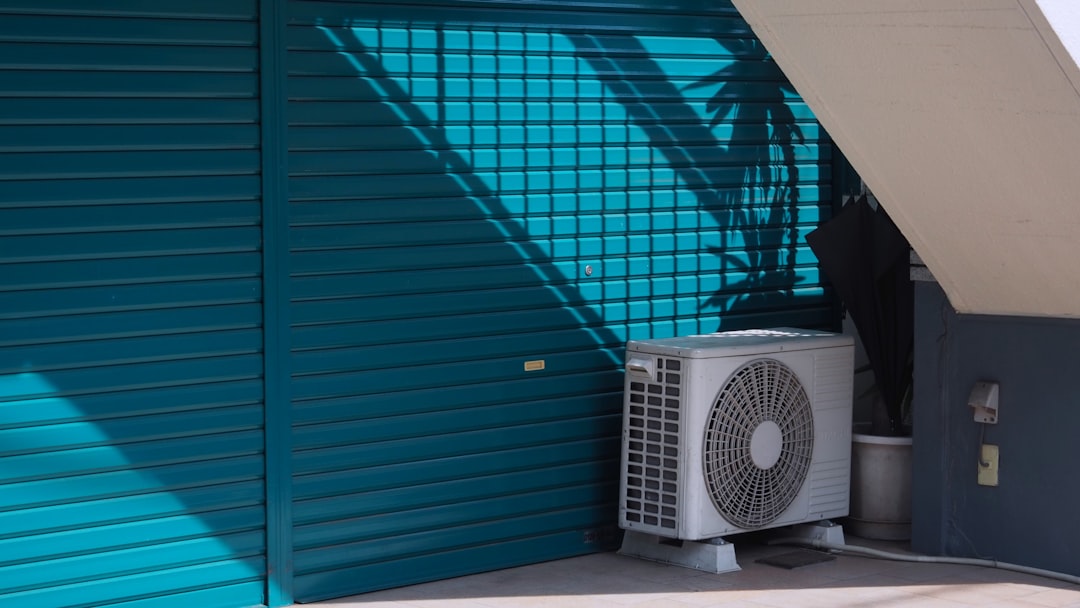
Believe it or not, about 90% of the time, the reason for hot air issues is found in the outdoor condenser unit. Since the indoor fan is blowing, you know you have power to the house, but if the outdoor unit isn't rejecting heat, the air won't be cold. The condenser fins—those thin metal slats on the outdoor box—need constant airflow to dump the heat collected from your living room. If they are caked in dust or blocked by a neighbor's overgrown hedge, the heat stays trapped in the system, and your vents will blow warm.
Before you panic and assume you need a total system replacement, there are several "low-hanging fruit" items you can check. We often see service calls in Martinez or Walnut Creek that could have been solved with a simple flip of a switch.
It sounds simple, but the thermostat is the "brain" of your system, and brains can get confused. First, ensure it is actually set to "Cool" and not "Heat." This happens more often than you’d think during the transition from spring to summer in Contra Costa County.
Another common culprit is the fan setting. If your fan is set to "On," the blower will run 24/7, even when the cooling cycle is resting. This circulates unconditioned, room-temperature air through your vents, making it feel like the AC is failing. Always set your fan to "Auto" so it only blows when the air is actually being chilled. If your thermostat screen is blank, try replacing the batteries before calling for a repair. If you find your heater blowing cold air during the winter, the same logic regarding the "Auto" vs "On" setting often applies.
A dirty air filter is the number one cause of HVAC system stress. When the filter is clogged with dust, pet hair, and Contra Costa pollen, the system can't pull enough air across the evaporator coils. This restriction causes the temperature of the coils to plummet, often leading them to freeze over. Once they are encased in ice, they can no longer absorb heat, and your vents will blow warm.
We recommend checking your filters monthly during our peak summer months in Brentwood and Antioch. A clean filter ensures 100% airflow efficiency, while a heavily soiled one can drop that efficiency to 40% or less, leading to a complete system shutdown. If you've noticed your furnace blowing cold in the past, a clogged filter was likely the villain in that scenario as well.
If the thermostat is correct and the filter is clean, the problem likely lies deeper within the mechanical or electrical components of the unit. These issues require the tools and expertise of a licensed professional.
If you notice a hissing or bubbling sound near your AC unit, you are likely hearing refrigerant escaping from a leak. Another visual cue is ice forming on the copper refrigerant lines or the indoor evaporator coil.
When refrigerant is low, the pressure in the system drops, causing the remaining refrigerant to get much colder than intended, which freezes the moisture on the coils. Why is my ac blowing warm air when there's ice on it? Because the ice acts as an insulator, preventing the refrigerant from reaching the air it needs to cool. Handling refrigerant requires EPA certification because it is a regulated chemical; homeowners should never attempt to "top off" their own refrigerant. If my heater is blowing cold air who can i call for repairs in martinez, our team is ready to help with both heating and cooling refrigerant-related issues.
The outdoor unit is exposed to the elements, which makes it prone to electrical failures.
Some problems are more structural or involve the "heart" of the system. These are often the most complex to diagnose but have the biggest impact on your home's comfort.
Before you pick up the phone, try a "hard reset" of the system. Turn the AC off at the thermostat and the circuit breaker. Wait about 30 minutes (this also allows any potential ice to start melting) and then turn it back on. While you wait, do a visual inspection of the outdoor unit. Ensure there is at least a 2-foot buffer of clear space around the condenser. Clearing away dried leaves, tall grass, or stored patio furniture can sometimes restore enough airflow to get the system cooling again.
| Feature | Repair the Unit | Replace the Unit |
|---|---|---|
| Age of System | Under 10 years old | Over 12-15 years old |
| Repair Cost | Minor (Capacitor, cleaning) | Major (Compressor, Coil) |
| Efficiency | Still meets your needs | Monthly bills are skyrocketing |
| Frequency | First time it has broken | Breaks down every summer |
You could have a perfectly functioning AC unit, but if your ducts are leaking, you'll still be asking why is my ac blowing warm air. The average home in areas like Lafayette or Pleasant Hill can lose 20 to 30 percent of its conditioned air through leaky ducts.
If your ducts run through a scorching attic that reaches 150°F, even a small gap will pull that superheated air into your vents. This overwhelms the AC's cooling capacity. We use professional mastic sealant and specialized insulation to ensure the cold air actually reaches your bedrooms instead of cooling your attic.
Yes, absolutely. If your AC is blowing warm air, it is likely straining to reach a temperature it can never achieve. This causes the compressor—the most expensive part of the system—to overheat. Running a malfunctioning system can turn a simple repair into a total system failure. Turn it off immediately to protect the equipment.
In cities like Pittsburg and Antioch, where dust and seasonal allergens are common, you should replace standard 1-inch filters every 1 to 3 months. If you have pets or high occupancy, check them every 30 days. Regular replacement can improve energy efficiency by 5% to 15%.
The compressor often gives warning signs before it quits. Listen for grinding or "chattering" noises (some homeowners say it sounds like coins in a dryer). Other signs include the system frequently tripping the circuit breaker or the unit "hard starting," where the lights in your house flicker significantly when the AC kicks on.
At Stewart Heating, Plumbing & Air Conditioning, we know that a broken AC in the middle of a California heatwave is more than a minor inconvenience. Our focus on quality and customer satisfaction means we don't just "patch" problems; we find the root cause of why is my ac blowing warm air and fix it right the first time. Whether you're in Walnut Creek, Danville, or Brentwood, our experienced team is committed to restoring your home's comfort quickly and reliably.
Don't suffer through another sweltering afternoon. If your DIY checks didn't solve the problem, it's time to bring in the experts who know Contra Costa County's climate best. More info about air conditioning services is just a click away, or give us a call to schedule your professional diagnosis today.

Very professional and complete. I would recommend Stewart to anyone. Highest quality of workmanship and clean installation.
Stewart Heating Plumbing Air Conditioning just did some work for us for the first time. They did an installation at my home and it turned out well. I thought the price was fair and I definitely would use them again. The technicians were very friendly and knowledgeable about their work. I highly recommend Stewart Heating Plumbing Air Conditioning and already told friends to use them.
We have been using Stewart Heating Plumbing Air Conditioning since 1995. They put the original heating and air unit in the house, and we have just stayed with them. They are dependable and honest people, and they have done a good job for us every time that we have used them!
They came and did an inspection and are coming tomorrow to do the repair.
They replaced a regulator the first time, and then the water heater vent had to be replaced. They did great work.
The gentleman that serviced us was helpful, insightful, and knew what he was talking about. Overall, it was a great experience.