When Your Heat or AC Fails, Every Minute Counts
Knowing how to stay safe during a heating or cooling emergency could be the difference between a stressful night and a life-threatening situation — especially in Contra Costa County, where summer temperatures can push well past 90°F and winter nights can drop below freezing.
Quick answer: How to stay safe during a heating or cooling emergency
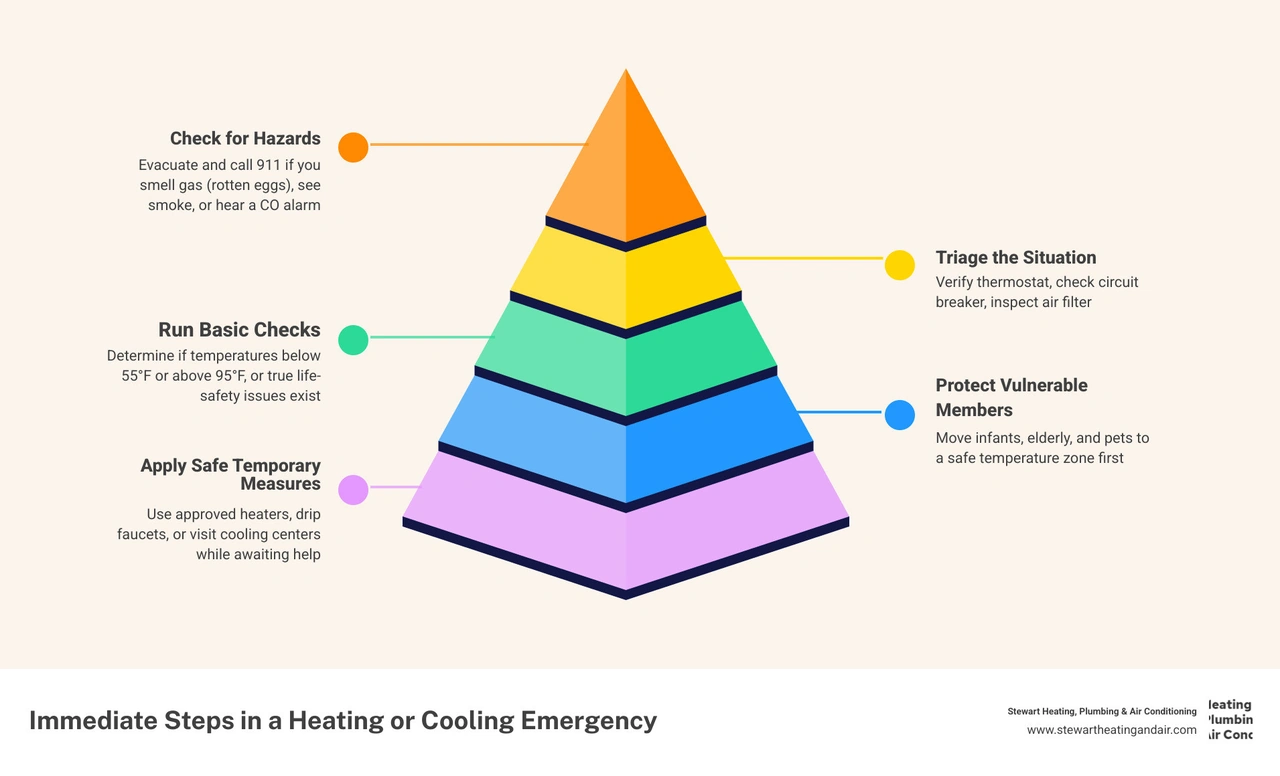
- Check for immediate hazards first — if you smell rotten eggs (gas leak), see smoke, or hear your CO alarm, evacuate immediately and call 911 from outside.
- Triage the situation — determine if it's a true emergency (temperatures below 55°F or above 95°F, gas, CO, or electrical hazard) or a fixable inconvenience.
- Run basic checks — verify thermostat settings, check your circuit breaker, and inspect your air filter before calling for service.
- Protect vulnerable household members — move infants, elderly family members, and pets to a safe temperature zone first.
- Use safe temporary measures — approved space heaters in winter (3 feet from flammables), dripping faucets to protect pipes, or a public cooling center in summer.
- Call a licensed HVAC professional — if conditions worsen or hazards are present, don't wait.
The stakes are real. Extreme heat kills more Americans every year than any other weather-related hazard, and heating equipment is the second leading cause of home fires in the United States. About 230 people die annually from carbon monoxide poisoning linked to fuel-burning appliances. These aren't rare worst-case scenarios — they happen to homeowners who didn't know what to do in the first critical minutes.
This guide walks you through every step, from identifying a true emergency to protecting your pipes and your family, so you're never caught off guard.
How to stay safe during a heating or cooling emergency terms to learn:
When your heating, ventilation, and air conditioning (HVAC) system breaks down unexpectedly, your immediate environment can change rapidly. However, not every system breakdown requires a panicked call to an emergency dispatch line. Understanding When an HVAC Failure is a True Emergency requires assessing life-safety risks, carbon monoxide hazards, gas leaks, and electrical dangers.
In Contra Costa County, our Mediterranean climate brings intense dry summer heat and chilly winter nights. When an emergency strikes, taking a systematic approach to triage ensures that you safeguard your household first, protect your property second, and call for the right level of emergency response without unnecessary delay.
If your heating system fails and is accompanied by a rotten egg smell, smoke, or a sounding carbon monoxide (CO) alarm, you are facing a life-threatening crisis rather than a simple mechanical failure.
- Evacuate Immediately: Do not stop to open windows, pack belongings, or search for the source of the issue. Ensure every family member and pet exits the structure right away.
- Do Not Touch Electrical Switches: Do not turn lights on or off, unplug appliances, use landline phones, or use your cell phone inside the house. A single spark from an electrical connection can ignite accumulated natural gas.
- Call 911 and Your Gas Utility: Once you are at least 100 feet away from your home, call emergency services and your local gas provider.
- Identify the Gas Odorant: Natural gas is inherently odorless. Utility companies infuse it with mercaptan, a harmless chemical that smells strongly of rotten eggs, specifically to alert you to leaks.
- Listen to Your CO Detector: Carbon monoxide is a colorless, odorless, and tasteless gas. If your CO detector alarm sounds, treat it with the same urgency as a fire or gas leak. Do not re-enter the home until emergency personnel have cleared the property.
For residents in Concord, CA, specialized local guides such as our Emergency Furnace Repair Concord CA Guide can help you understand local utility protocols and emergency resources.
Triage: True Emergency vs. Minor Inconvenience
When your home heating or cooling fails, it is essential to determine whether you can safely wait for standard business hours or if you must call for immediate 24/7 service. Here is how to draw the line using temperature thresholds, health risk assessments, and property damage indicators:
- The 55°F Rule (Winter): If the indoor temperature in your home drops below 55°F, you are entering emergency territory. Below this threshold, the risk of your plumbing pipes freezing and bursting increases significantly. Furthermore, prolonged exposure to temperatures below 55°F can induce cold stress in vulnerable individuals.
- The 95°F Rule (Summer): If the indoor temperature rises above 95°F, or if the outdoor temperature is in the high 90s and you have vulnerable residents at home, AC failure is a true emergency. At these temperatures, the human body struggles to cool itself effectively, creating a direct path to heat exhaustion or heat stroke.
- Health Risks: Any HVAC failure is an immediate emergency if your household includes infants, elderly family members, or individuals with chronic medical conditions who rely on climate-controlled environments or medical machinery.
- Property Damage Risk: Active water leaks from a frozen evaporator coil, a cracked heat exchanger producing soot, or a blocked condensate drain backing up into your ceiling are structural emergencies that require immediate intervention.
To learn more about navigating these stressful scenarios, read our advice on What to Do When Your HVAC Breaks Down Unexpectedly.
When to Evacuate vs. Shelter in Place
Deciding whether to stay in your home or seek alternative shelter depends on both outdoor weather conditions and the safety of your indoor air.
- Shelter in Place: If your indoor air is clean (no gas, smoke, or CO hazards), and indoor temperatures remain between 55°F and 85°F, you can typically shelter in place. You can manage comfort safely using blankets, layered clothing, closed window coverings, and hydration while waiting for a scheduled technician.
- Evacuate: You must evacuate immediately if there is any suspicion of a gas leak, carbon monoxide buildup, or electrical sparking. Additionally, if indoor temperatures cross extreme thresholds (below 50°F or above 90°F) and you cannot safely regulate them using temporary methods, you should pack emergency kits and relocate to a local cooling shelter, library, shopping mall, or a friend's home.
- Stay Informed: Monitor local emergency alerts and weather warnings through official channels like the National Weather Service or local Contra Costa County emergency notification systems.
Basic DIY Troubleshooting Checks Before Calling for Service
Before calling for emergency HVAC dispatch—which can carry premium after-hours fees—it is wise to perform a few safe, basic checks. Nearly a quarter of all emergency HVAC service calls are resolved by simple homeowner adjustments.
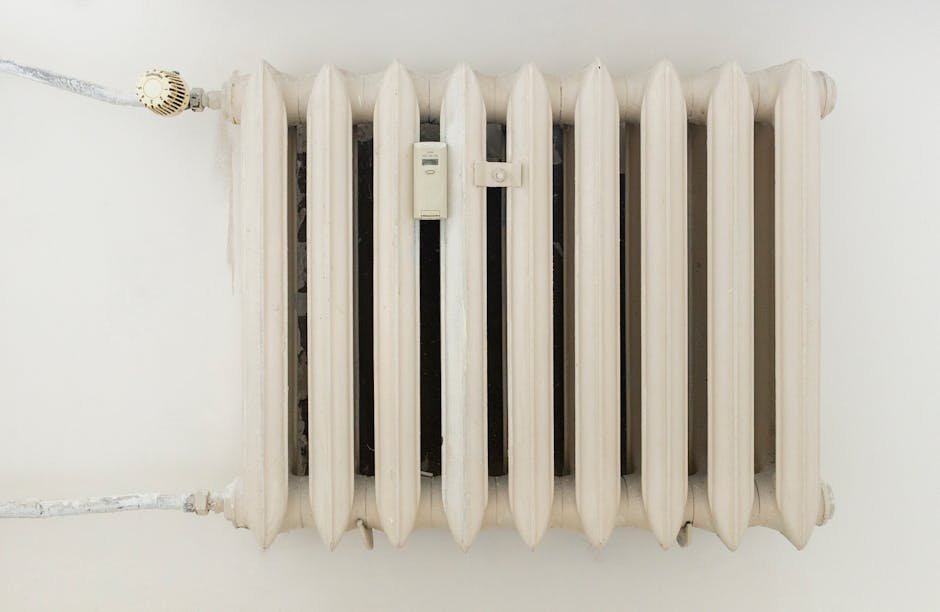
Perform these quick diagnostic steps safely:
- Check the Thermostat Settings and Batteries: Ensure your thermostat is actually set to the correct mode ("Heat" in winter, "Cool" in summer). Verify that the temperature setting is prompting the system to run. If the display is blank or fading, replace the batteries with fresh alkaline batteries.
- Inspect the Circuit Breaker Panel: Locate your home's main electrical panel. Look for the circuit breakers labeled "AC," "Furnace," "Air Handler," or "Heat Pump." If a breaker has tripped to the middle position, switch it fully to the "Off" position, then switch it back to "On." Note: If the breaker immediately trips again, do not attempt to reset it a second time. This indicates a serious electrical fault that requires professional repair.
- Examine the Air Filter: A heavily clogged, dirty air filter blocks airflow. In the summer, this can cause your air conditioner's evaporator coil to freeze into a solid block of ice, shutting down the system. In the winter, restricted airflow causes furnaces to overheat and trigger a safety lockout. If your filter is caked with dust, replace it immediately.
- Check the Furnace Power Switch: Furnaces and indoor air handlers usually have a power switch nearby that looks exactly like a standard light switch. It is common for this switch to be flipped off accidentally during cleaning or storage. Ensure it is switched to "On."
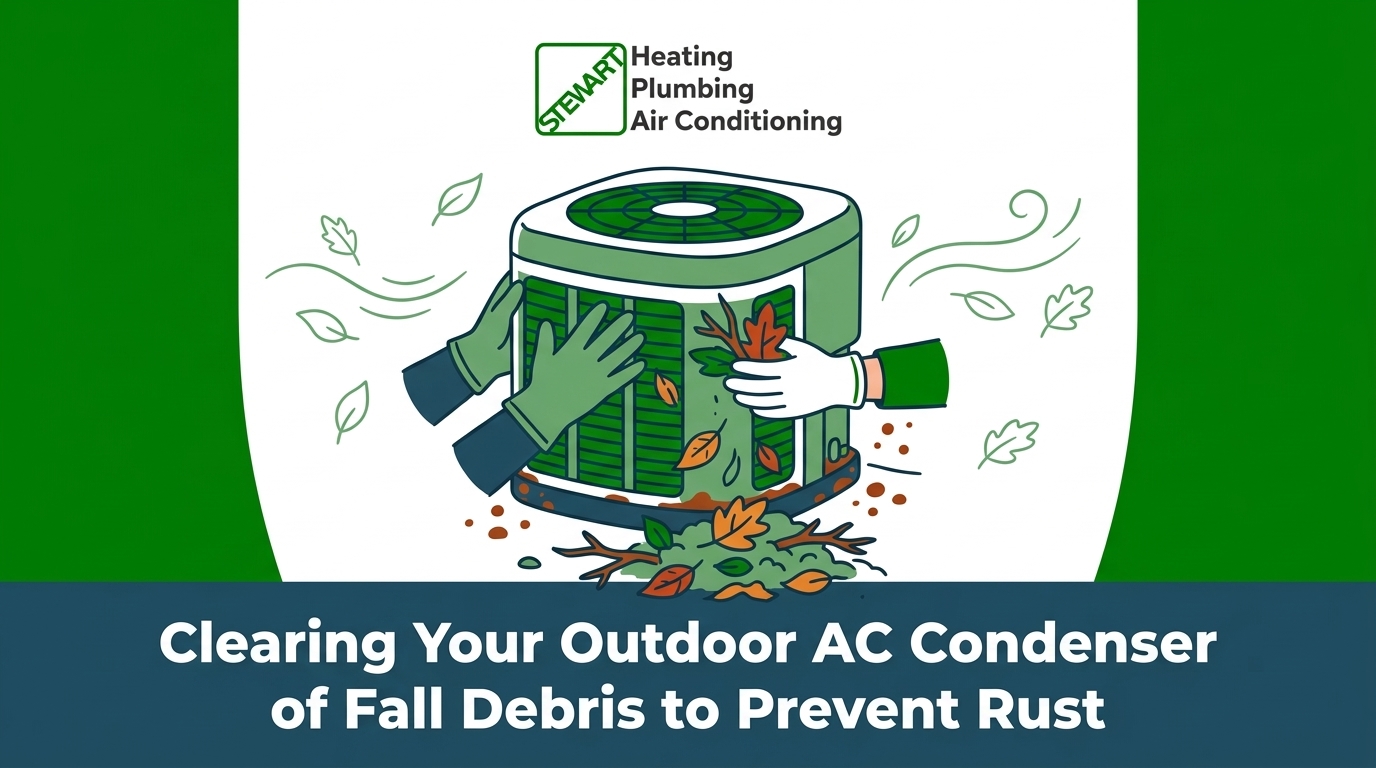
- Clear the Outdoor Condenser Unit: Check your outdoor AC or heat pump unit. Ensure that dry leaves, weeds, branches, or trash are not blocking the airflow. Maintain at least a two-foot clearance around the entire perimeter of the outdoor unit.
If these basic steps do not restore your heating or cooling, it is time to seek professional help. Review our Emergency HVAC Repair Tips for Contra Costa County Homeowners for further guidance.
Surviving the Deep Freeze: Winter Heating Crisis Management
When winter storms sweep through Northern California, a complete furnace failure can cause indoor temperatures to drop rapidly. Heating equipment is a leading cause of home fires, and space heaters are involved in an average of 1,600 home fires per year. Managing a heating crisis requires prioritizing fire safety and carbon monoxide prevention while keeping your family warm.
For complete, in-depth instructions on managing heating emergencies, refer to our Emergency Furnace Repair Ultimate Guide.
How to Stay Safe During a Heating or Cooling Emergency in Extreme Cold
If you must wait several hours or overnight for emergency heating repairs, you can use temporary heating methods safely by following strict protocols:
- The 3-Foot Rule for Space Heaters: If you are using portable electric space heaters, keep them at least three feet away from all flammable materials, including curtains, blankets, furniture, and paper.
- Plug Direct: Always plug electric space heaters directly into a wall outlet. Never use extension cords or power strips, which can overheat and cause electrical fires.
- Consolidate Your Living Space: Close off unused rooms, shut closet doors, and gather your family and pets into a single, centralized room to preserve collective body heat.
- Layer Your Clothing: Dress in loose, lightweight layers. Wool, fleece, and synthetic moisture-wicking fabrics are far more effective at trapping body heat than heavy cotton.
- Never Use Unapproved Heating Sources: Never use a gas oven, cooktop, or outdoor charcoal grill to heat your home. These produce deadly carbon monoxide gas and present extreme fire hazards.
| Temporary Heating Method | Safety Status | Critical Precautions & Risks |
|---|
| Electric Space Heaters | Safe | Must have tip-over protection; plug directly into wall; keep 3 feet from flammables. |
| Wood Fireplace / Wood Stove | Safe | Only use if chimney is swept and damper is fully open; monitor constantly. |
| Gas Oven or Cooktop | Extremely Dangerous | High risk of carbon monoxide poisoning and residential fire. Never use. |
| Charcoal Grills or Camp Stoves | Extremely Dangerous | Releases massive amounts of lethal CO gas indoors. Never use. |
| Kerosene / Propane Heaters | Dangerous | Unvented fuel combustion produces carbon monoxide. Do not use indoors. |
For targeted local advice on handling cold-weather emergencies in your area, read our Emergency Heater Repair Concord CA Tips.
Protecting Your Plumbing and Preventing Frozen Pipes
Your home's plumbing is highly vulnerable during a heating failure. Water expands with immense force when it freezes, which can split copper, PEX, or PVC pipes, leading to catastrophic water damage when the system thaws.
- Drip Your Faucets: Let a very slow, steady drip of water (a mix of both hot and cold) run from your faucets. Moving water is much harder to freeze, and relieving the pressure within the pipes prevents them from bursting even if ice does begin to form.
- Open Cabinet Doors: Open the cabinet doors under your kitchen and bathroom sinks. This allows the remaining warm air in your home to circulate around the water supply lines.
- Insulate Exposed Pipes: Wrap exposed pipes in unheated crawl spaces, basements, or attics with foam pipe sleeves, towels, or heavy blankets.
- Locate Your Main Water Shut-Off: Make sure you know exactly where your main water shut-off valve is located before an emergency occurs. If a pipe does freeze and burst, shutting the main valve immediately will prevent thousands of dollars in water damage.
If you are dealing with a broader utility failure, including your hot water system, our Emergency Water Heater Replacement Concord CA Guide provides essential insights into managing plumbing-related emergencies.
Winter Safety for Vulnerable Family Members and Pets
Infants, elderly family members, and domestic pets cannot regulate their body temperatures as efficiently as healthy adults.
- Infants: Keep infants warmly dressed in sleep sacks or layers, but avoid loose blankets in cribs due to safety hazards. Ensure their sleeping area is kept as close to normal room temperature as possible.
- Elderly Family Members: Monitor older adults closely for early signs of cold stress or hypothermia, which can include confusion, slurred speech, slow breathing, and shivering.
- Pets: Keep pets indoors. Walk dogs only for quick bathroom breaks, and ensure their bedding is elevated off cold hardwood or tile floors.
Beating the Heat: Summer Cooling Emergency Strategies
Contra Costa County summers regularly bring triple-digit heat waves. When your air conditioner fails during a heat wave, your home can quickly turn into an oven. Extreme heat is the deadliest weather-related hazard in the United States, making rapid, safe cooling strategies vital.
If your AC goes down in the middle of a heat wave, consult our Emergency AC Repair Concord CA Guide to get professional help on the way.
How to Stay Safe During a Heating or Cooling Emergency in Extreme Heat
When dealing with a cooling failure in extreme summer heat, your primary goal is to lower your core body temperature and prevent dehydration.
- Understand the 90-Degree Rule for Fans: When indoor temperatures exceed 90°F, electric fans are no longer effective at cooling your body. In fact, blowing air that is hotter than your body temperature across your skin can actually accelerate dehydration and heat stress.
- Stay Hydrated: Drink plenty of water throughout the day, even if you do not feel thirsty. Avoid alcohol, caffeine, and highly sugary drinks, as they act as diuretics and speed up fluid loss.
- Block Out the Sun: Close all window blinds, drapes, and shades to block solar heat. Outdoor awnings or window reflectors can reduce solar heat gain entering your home by up to 80 percent.
- Utilize the Ground Floor: Since heat rises, the ground floor or basement of your home will remain cooler longer than upper levels.
- Seek Cooled Locations: If indoor temperatures become unsafe, seek out air-conditioned public spaces such as libraries, shopping malls, or designated local cooling centers.
If you live in the Walnut Creek area, our Emergency AC Repair Walnut Creek Guide is an excellent resource for finding rapid, professional assistance.
Recognizing Heat Exhaustion vs. Heat Stroke
It is critical to recognize the difference between heat exhaustion and heat stroke, as the latter is a medical emergency that requires immediate life-saving intervention.
- Heat Exhaustion Symptoms: Heavy sweating, cold, pale, and clammy skin, a fast but weak pulse, muscle cramps, dizziness, headache, nausea, and tiredness.
- What to do: Move the person to a cool, shaded place. Loosen their clothing, apply cool, wet cloths to their body, and have them sip water slowly. Seek medical help if symptoms worsen or last longer than one hour.
- Heat Stroke Symptoms: Body temperature elevated to 103°F or higher; hot, red, dry, or damp skin (with no active sweating); a rapid, strong pulse; confusion, dizziness, hallucinations, or loss of consciousness.
- What to do: Call 911 immediately. Heat stroke is life-threatening. Move the person to a cooler place, loosen their clothing, and cool their body rapidly by applying cold, wet cloths or ice packs to the neck, armpits, and groin. Do not give them anything to drink, as they may be unable to swallow safely.
Summer Safety for Vulnerable Family Members and Pets
Just as with extreme cold, vulnerable populations must be monitored closely during a summer cooling emergency.
- Infants and Seniors: Check on elderly neighbors and family members at least twice daily during a heat wave. Monitor infants for signs of heat stress, such as extreme lethargy, rapid breathing, or hot, dry skin.
- Pet Safety: Ensure your pets have constant access to cool, fresh water. Never leave pets in a closed vehicle, even for a few minutes, as interior temperatures can reach 120°F in moments. Keep pets off hot asphalt or concrete, which can easily burn their sensitive paw pads.
Frequently Asked Questions About HVAC Emergencies
What are the key warning signs that indicate I need emergency HVAC service?
You should call for emergency HVAC service immediately if you experience any of the following critical warning signs:
- Yellow Pilot Light / Burner Flames: A healthy gas furnace burner should burn a steady, bright blue. A yellow, flickering, or lazy flame indicates incomplete combustion, which is a primary source of carbon monoxide production.
- Unusual Noises: Loud screeching, metal-on-metal grinding, heavy rattling, or booming sounds when your system starts up indicate severe mechanical issues that can lead to total system failure or fire hazards if left unaddressed.
- Active Water Leaks: Significant pooling water around your indoor furnace, air handler, or water heater can indicate a clogged condensate line or a structural tank failure, which can cause severe water damage to your home's flooring and ceilings.
Why are electric fans ineffective when indoor temperatures exceed 90°F?
When indoor temperatures climb above 90°F, electric fans do not lower your body temperature. Fans cool the body through the evaporation of sweat, but when the surrounding air is hotter than your skin, the fan simply blows hot air over you. This process acts like a convection oven, accelerating dehydration and increasing heat stress. When temperatures exceed 90°F, you must rely on air conditioning or seek out cooled public spaces.
How can I prevent future heating or cooling emergencies?
The single most effective way to avoid unexpected breakdowns is to schedule routine preventive maintenance. Learn How to Prevent HVAC Emergencies with Maintenance by following these guidelines:
- Schedule Annual Tune-Ups: Have your heating system professionally inspected in the fall, and your cooling system tuned up in the spring.
- Change Filters Regularly: Replace standard one-inch air filters every 30 to 90 days.
- Maintain Outdoor Unit Clearance: Keep the area around your outdoor condenser unit clear of debris, weeds, and leaves.
- Install Surge Protection: Protect your HVAC system's sensitive electronic controls from power surges with a whole-house surge protector.
Conclusion
When a heating or cooling emergency strikes, being prepared and knowing how to triage the situation is your best defense. By understanding how to identify immediate hazards, performing basic DIY checks, and taking safe temporary comfort measures, you can protect your home and keep your family safe until professional help arrives.
At Stewart Heating, Plumbing & Air Conditioning, we are committed to providing the highest quality HVAC and plumbing solutions throughout Pittsburg, Antioch, Concord, Brentwood, Walnut Creek, Pleasant Hill, and the wider Contra Costa County area. Our focus on quality and customer satisfaction means we do projects right the first time, keeping your home comfortable and safe in any weather.
If you are facing a heating or cooling crisis, do not wait for conditions to worsen. Schedule professional HVAC repair in Lafayette, CA with Stewart Heating, Plumbing & Air Conditioning or call us today to get one of our experienced, licensed technicians on the way to your home.