

Recent Blogs
Stay updated with our latest blog posts.

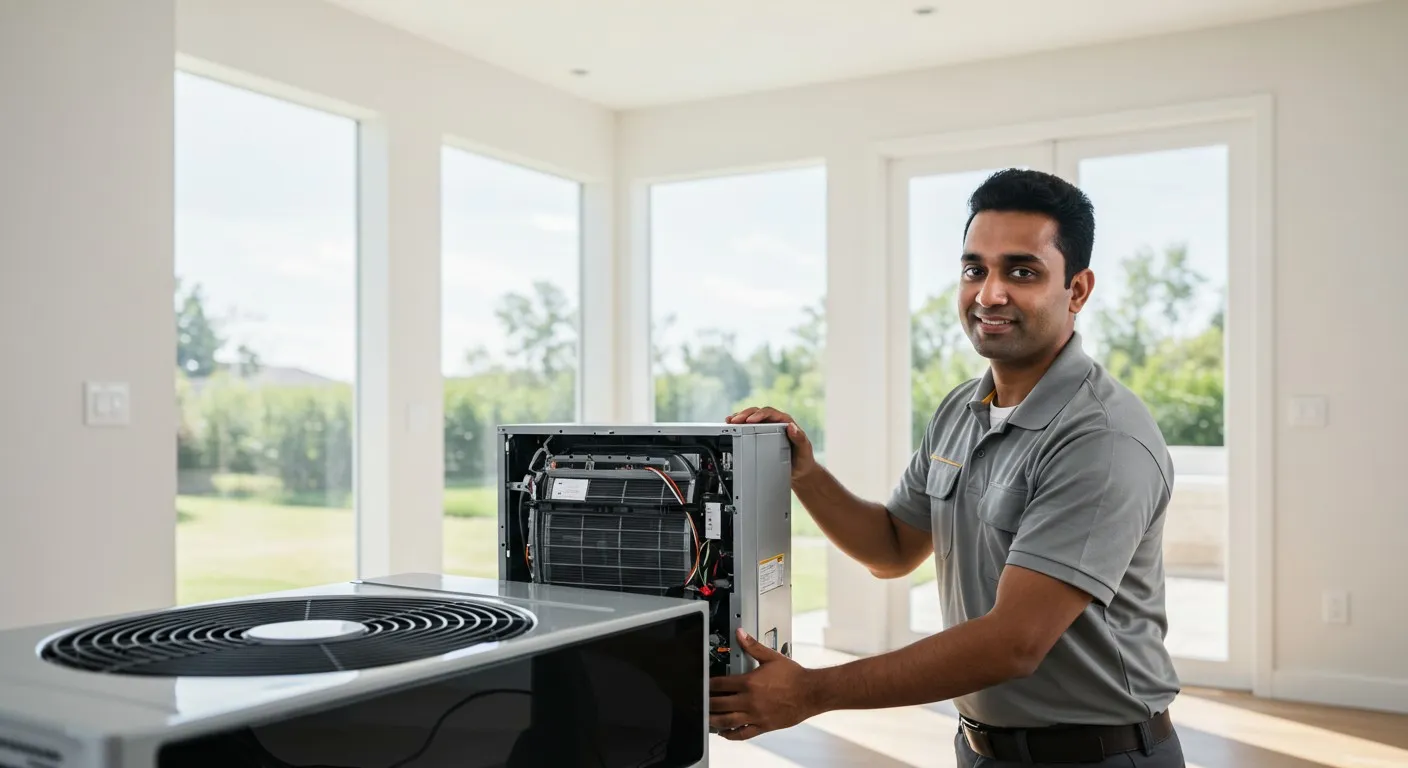
Why HVAC replacement is a smart investment comes down to one simple truth: your heating and cooling system is the single largest energy expense in your home — and when it starts failing, that cost only grows. For homeowners in Pittsburg, Antioch, Concord, and across Contra Costa County, an aging system isn't just an inconvenience. It's a drain on your wallet, a risk to your comfort, and potentially a safety hazard.
Here's a quick summary of why replacing your HVAC system is worth it:
Heating and cooling account for up to 50% of a typical home's energy bill. That means even a modest efficiency improvement makes a noticeable difference every single month. When you factor in avoided repair costs, available tax credits, and the boost to your home's market value, a new system stops looking like an expense and starts looking like one of the smartest financial moves you can make as a homeowner.
In this guide, we'll walk you through exactly how to evaluate whether replacement makes sense for your home, what modern systems offer, and how to maximize your return on the investment.
Learn more about why hvac replacement is a smart investment:
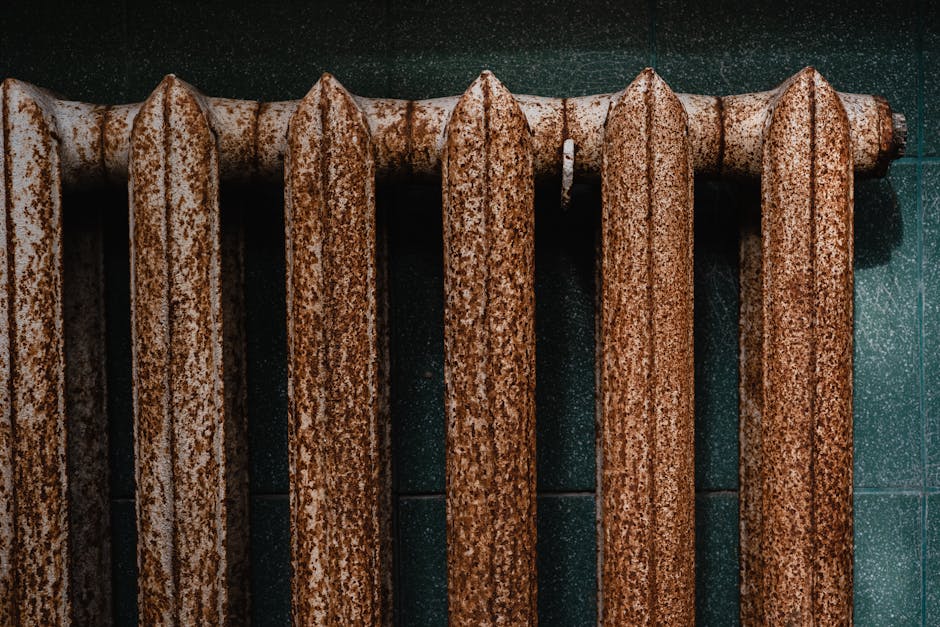
No one wants to think about replacing their HVAC system until it stops working. However, waiting for total system failure is actually the most expensive way to handle heating and cooling issues. When a system breaks down in the dead of winter or during a blistering East County summer heatwave, you are forced to make a rushed decision, often paying emergency rates or settling for whatever unit is immediately in stock.
By proactively recognizing the warning signs of system decline, you can plan your upgrade on your own terms. The most common indicators that your system is ready for retirement include:
Recognizing these changes early is the first step toward making a proactive decision. For a deeper dive into what to look for, check out our guide on Signs That Indicate Furnace Replacement and see how to evaluate your current setup in Making the Case When Your Furnace Doesn't Make the Grade.
In our portion of the San Francisco Bay Area, the climate places unique demands on heating and cooling equipment. While coastal areas enjoy mild temperatures year-round, Contra Costa County inland areas—such as Brentwood, Antioch, and Pittsburg—experience dramatic seasonal swings.
Summers frequently bring sustained triple-digit heatwaves that force air conditioners to run continuously for hours on end. Conversely, winter nights can drop into the chilly 30s, requiring a reliable, consistent heating source. This dual demand means your HVAC system works incredibly hard.
While a central air conditioner might last up to 20 years in a mild, coastal climate, the intense heat strain in cities like Antioch and Concord typically shortens that lifespan to 12 to 15 years. Similarly, the heavy humidity during specific transitional weeks can cause moisture buildup inside older, single-stage systems, accelerating rust and electrical corrosion.
While high utility bills and frequent repairs are frustrating, the safety risks of delaying an HVAC replacement are far more serious. An aging heating system can pose direct hazards to your household:
When a major component fails or a safety issue is detected, it is crucial to know When an HVAC Failure is a True Emergency so you can protect your family and take immediate action.
Deciding whether to patch up an old unit or invest in a brand-new system doesn't have to be a guessing game. Professionals use objective mathematical frameworks to help homeowners make the most financially sound choice.
| Factor | Lean Toward Repair | Lean Toward Replacement |
|---|---|---|
| System Age | AC < 10 years; Furnace < 12 years | AC > 12 years; Furnace > 15 years |
| Repair Frequency | Rare (1-2 minor issues in 5 years) | Frequent (2+ repairs in the last 24 months) |
| Refrigerant Type | Modern R-410A or R-454B | Phased-out R-22 (Freon) |
| Energy Bills | Stable and predictable | Rising 20% to 40% year-over-year |
| Safety Status | No structural or electrical hazards | Cracked heat exchanger or charred wiring |
To help navigate these choices, we have compiled comprehensive resources. You can read our detailed HVAC Replacement vs Repair Guide 2026 or explore the key questions in Should I Repair or Replace My HVAC System.
To remove the emotion from the decision, homeowners can apply two simple, industry-standard rules of thumb:
Multiply the age of your system (in years) by the repair estimate (in dollars). If the result is greater than $5,000, replacement is generally the smarter investment. If the result is less than $5,000, repairing the system is usually reasonable.
If a single repair quote costs 50% or more of the cost of a brand-new system, you should always replace the unit. Spending half the price of a new, fully warrantied system to keep an old, inefficient unit running for another year or two is poor long-term value.
When evaluating the financial impact, it is helpful to view a new HVAC system not as an expense, but as a financial vehicle that pays monthly dividends.
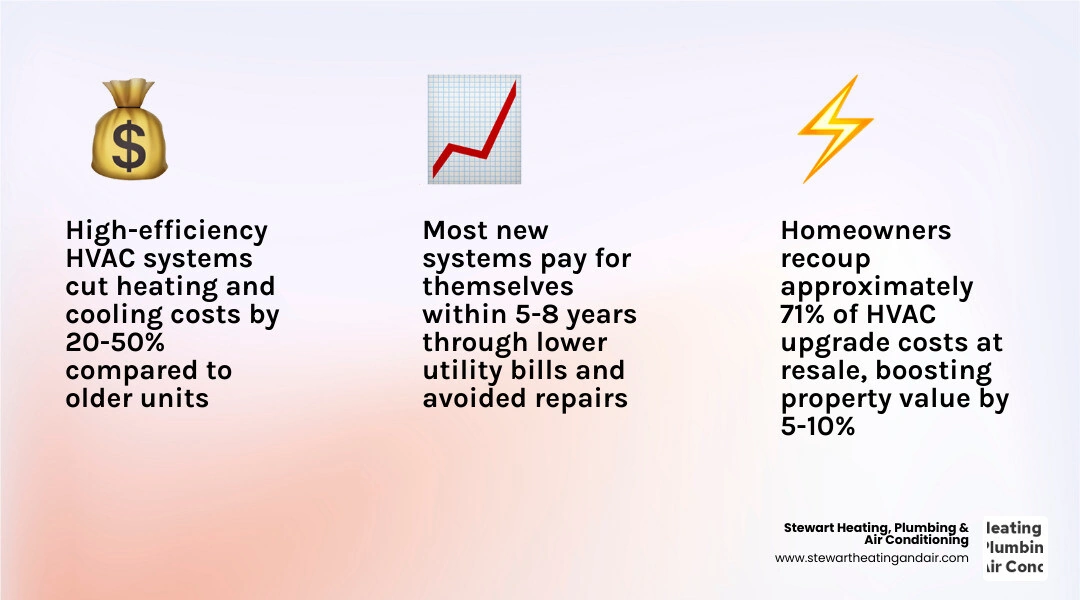
Because heating and cooling make up half of your home’s energy bills, upgrading from an old, inefficient system to a modern, high-efficiency unit can reduce your monthly utility costs by 20% to 40%. Over the typical 15-year lifespan of a new system, these monthly savings accumulate dramatically, often completely offsetting the initial installation cost within the first 5 to 8 years.
Furthermore, a new system comes backed by a 10-year parts warranty, protecting you from the unexpected multi-thousand-dollar repair bills that plague owners of aging equipment.
If your current heating and cooling system is over a decade old, you will be amazed by the technological advancements available in 2026. Older systems operate on a simple "on/off" binary. They run at 100% capacity until the thermostat is satisfied, then shut off completely. This constant cycling creates noticeable temperature swings, wastes significant amounts of energy, and fails to manage indoor humidity.
Modern high-efficiency systems utilize variable-speed technology. Instead of turning fully on or off, the compressor and blower motor adjust their output incrementally, similar to a car's cruise control. By running at lower, whisper-quiet speeds for longer periods, they maintain a perfectly consistent temperature while using up to 40% less energy than older models.
Efficiency is measured by two key industry standards:
One of the most popular and efficient configurations for Contra Costa County homes is a dual-fuel hybrid system. This setup pairs an electric, high-efficiency heat pump with a gas furnace.
During our mild spring, autumn, and typical winter days, the heat pump handles both heating and cooling duties with incredible efficiency. When temperatures occasionally drop close to freezing on winter nights, the system automatically switches over to the gas furnace to provide rapid, cozy warmth. This hybrid approach optimizes fuel usage based on outdoor conditions, delivering the lowest possible operating costs.
Additionally, 2026 models utilize the latest eco-friendly refrigerants, such as R-454B. This transition away from older, environmentally damaging refrigerants ensures your system is future-proof, compliant with environmental regulations, and cheaper to service down the road.
Your comfort is about more than just temperature; it is also about the quality of the air you breathe. Older HVAC systems often struggle with dust, allergens, and humidity control.
Modern systems can be integrated with advanced indoor air quality (IAQ) solutions. Because variable-speed motors run continuously at lower speeds, air is constantly passed through your filtration system, removing airborne particles, pollen, and pet dander.
Furthermore, variable-speed systems excel at dehumidification. By running longer, gentler cooling cycles, they extract significantly more moisture from the air during humid summer weeks, preventing that sticky, "swampy" feeling indoors and discouraging mold growth.
An upgraded HVAC system is highly attractive to prospective homebuyers. Modern buyers are incredibly conscious of energy efficiency and are often "cash-poor" after making a down payment. The last thing they want is to buy a home only to face an unexpected, expensive mechanical failure in their first year of ownership.
If you are planning to sell your Contra Costa County home in the next few years, upgrading your heating and cooling system is a powerful selling point.
When listing a home, having a modern system is less about luxury and more about establishing a solid baseline of care. Buyers assume that a homeowner who invests in a top-tier HVAC system has also taken excellent care of the roof, plumbing, and electrical systems.
Fortunately, you do not have to shoulder the entire cost of an upgrade alone. In 2026, there are substantial financial incentives available to offset your investment:
To get a clear picture of what to expect during the upgrade process, read our HVAC Replacement Estimate Complete Guide and see how localized installations work in our HVAC Replacement Concord Complete Guide.
In Contra Costa County, a well-maintained central air conditioner typically lasts 12 to 15 years, while a gas furnace can last 15 to 20 years. Heat pumps generally have a lifespan of 10 to 15 years.
However, system longevity is heavily influenced by maintenance and regional weather. Homes in dustier, windier areas or those closer to coastal salt air may experience slightly faster wear on outdoor condenser coils. Regular professional tune-ups are the single most effective way to maximize your equipment's lifespan.
Yes, absolutely. When you combine monthly utility savings of 20% to 40% with avoided repair costs and available federal tax credits, most high-efficiency systems reach a financial break-even point within 5 to 8 years.
Since modern systems are designed to last 15 years or more, you will enjoy nearly a decade of pure utility savings long after the system has paid for itself.
In almost all cases, yes. Replacing both units together as a matched set is highly recommended for several reasons:
Upgrading your heating and cooling system is one of the most practical, high-return investments you can make for your home. By replacing an aging, inefficient unit, you immediately slash your monthly utility bills, protect your family from safety hazards like carbon monoxide, and significantly boost your property's market appeal and resale value.
At Stewart Heating, Plumbing & Air Conditioning, we have spent decades helping homeowners throughout Pittsburg, Antioch, Concord, and the surrounding Contra Costa County communities find the perfect comfort solutions for their homes. Our strong focus on quality and customer satisfaction means we do the job right the first time, ensuring your new system operates at peak efficiency for years to come.
Ready to start saving on your energy bills and transform your home's comfort? Schedule Expert HVAC Service with our friendly, experienced team today!

Very professional and complete. I would recommend Stewart to anyone. Highest quality of workmanship and clean installation.
Stewart Heating Plumbing Air Conditioning just did some work for us for the first time. They did an installation at my home and it turned out well. I thought the price was fair and I definitely would use them again. The technicians were very friendly and knowledgeable about their work. I highly recommend Stewart Heating Plumbing Air Conditioning and already told friends to use them.
We have been using Stewart Heating Plumbing Air Conditioning since 1995. They put the original heating and air unit in the house, and we have just stayed with them. They are dependable and honest people, and they have done a good job for us every time that we have used them!
They came and did an inspection and are coming tomorrow to do the repair.
They replaced a regulator the first time, and then the water heater vent had to be replaced. They did great work.
The gentleman that serviced us was helpful, insightful, and knew what he was talking about. Overall, it was a great experience.