

Recent Blogs
Stay updated with our latest blog posts.


When we talk about efficiency ratings explained for homeowners, we have to start with the fundamental unit of measurement: the BTU (British Thermal Unit). A BTU is the amount of energy required to raise the temperature of one pound of water by one degree Fahrenheit. In the HVAC world, we use BTUs to describe how much heat a system can move or generate.
In April 2026, the standards set by the Department of Energy (DOE) are stricter than ever. If you haven't shopped for a system in a few years, you might notice that "SEER" has become "SEER2" and "HSPF" is now "HSPF2." These "2" versions represent new testing procedures that better reflect real-world conditions, such as the static pressure caused by ductwork. Understanding these Hvac Terms is the first step toward a more comfortable home in Pittsburg or Antioch.
| Metric | SEER (Old Standard) | SEER2 (Current 2026 Standard) |
|---|---|---|
| Testing Pressure | Lower static pressure | Higher, more realistic pressure |
| Minimum Requirement | 14.0 (North) / 15.0 (South) | 13.4 (North) / 14.3 (South) |
| Accuracy | Lab-perfect conditions | Reflective of actual home ducts |
For air conditioning, the most common number you’ll see is SEER2 (Seasonal Energy Efficiency Ratio 2). This measures the total cooling output of a system over a typical cooling season, divided by the total electric energy input during that same period. Think of it as the "average fuel economy" for your AC.
However, SEER2 isn't the only cooling metric. You may also see:
Upgrading from an old SEER 9 unit to a modern SEER2 16 system can reduce your cooling energy consumption by over 35%. To ensure these ratings translate to real savings, it is vital to work with a Nate Certified Contractor In Contra Costa County who can verify that the system is installed to meet its rated specifications.
When the weather cools down in Brentwood or Danville, we shift our focus to heating.
Heat pumps are incredibly efficient because they move heat rather than creating it. Many homeowners are choosing these as part of their Home Energy Efficiency Upgrades because they provide both heating and cooling in one unit, often with significantly lower operational costs than traditional electric resistance heating.
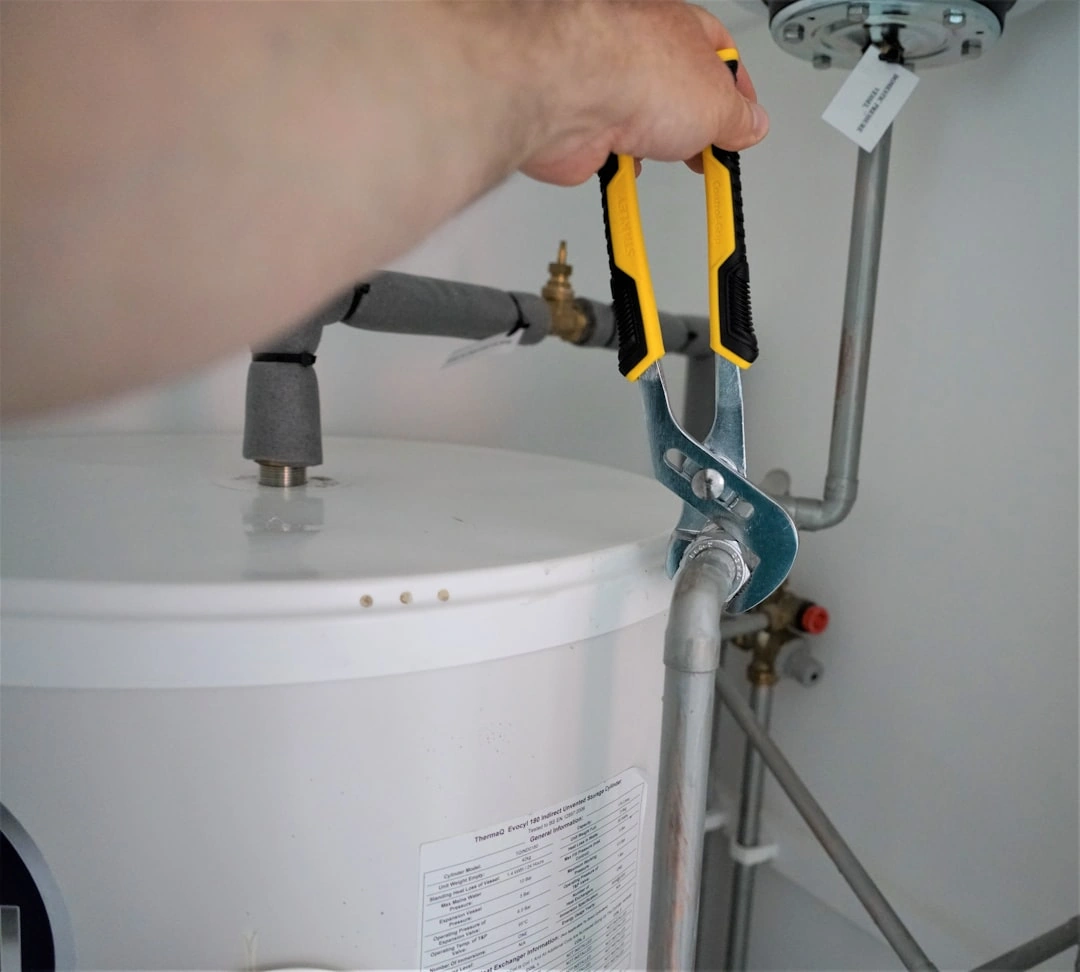
While your HVAC system is the biggest energy user, it isn't the only one. Efficiency ratings explained for homeowners also cover your water heater—the second-largest energy consumer in most homes.
The metric to look for here is UEF (Uniform Energy Factor). In 2017, the DOE replaced the old "Energy Factor" with UEF to provide a more consistent way to compare different types of water heaters.
A family of four switching to a heat pump water heater can save over $550 annually. If you aren't sure where your energy is going, we often recommend starting with Home Energy Audits to identify which appliances are costing you the most.
You can have the most efficient HVAC system in the world, but if your home is "leaky," those savings will fly right out the window—literally.
If you're noticing drafts or uneven temperatures, it might be time to Schedule an Energy Audit to look at your home's thermal envelope.
ENERGY STAR is a government-backed program that makes it easy for you to identify top-performing products. To earn the label, products must meet strict energy-efficiency guidelines set by the EPA.
An efficiency rating is a lab-tested potential, but your actual experience depends on how the system is integrated into your home. One of the biggest mistakes we see is improper system sizing.
If a system is too large, it will "short cycle," turning on and off rapidly. This prevents it from ever reaching its peak efficiency and fails to dehumidify the air properly. If it's too small, it will run constantly, wearing out components and spiking your bills. We use a "Manual J" calculation—the industry standard—to determine the exact size your home needs based on square footage, insulation, and window orientation.
Ductwork is another silent efficiency killer. Even with a high-efficiency unit, leaky or uninsulated ducts in an attic or crawlspace can lose up to 35% of the heated or cooled air before it reaches your living room. We recommend a Maintenance Plan that includes duct inspections to ensure you're actually getting the SEER2 rating you paid for.
The quality of the installation is just as important as the equipment itself. Factors like static pressure (the resistance to airflow) and refrigerant charge must be perfect. If the airflow is restricted by a dirty filter or poorly designed ducts, the system has to work twice as hard.
Simple habits make a huge difference:
Our HVAC Maintenance Agreement is designed to keep your system running at its rated efficiency, which can reduce monthly costs by 5% to 10% and significantly extend the life of your equipment.
In Contra Costa County, our climate varies from the cooler breezes of Walnut Creek to the higher heat of Brentwood. This means insulation is your best friend.
When your home is well-insulated, your HVAC system doesn't have to cycle as often, allowing it to operate in its most efficient range for longer periods.
Not necessarily. While a high SEER2 unit has the capacity to save you money, it won't perform if the installation is poor, the ducts are leaking, or the home is poorly insulated. Real-world efficiency is a combination of the equipment rating, professional installation, and consistent maintenance. Additionally, if you set your thermostat to 65°F in the summer, even a high-efficiency unit will result in high bills!
As of April 2026, we generally recommend the following as "good" benchmarks for homeowners in our service area:
Don't just look at the purchase price. Ask for an estimate of the annual operating cost, which is usually listed on the yellow EnergyGuide label. Compare units within the same "usage bin" or capacity. For example, compare a 3-ton unit to another 3-ton unit. Finally, check for ENERGY STAR labels, which often signify that the unit qualifies for local rebates in cities like Concord or Walnut Creek.
Understanding efficiency ratings explained for homeowners is your best defense against rising energy costs. By choosing systems with high SEER2, AFUE, and HSPF2 ratings, you aren't just helping the environment; you're making a long-term investment in your home's comfort and value.
At Stewart Heating, Plumbing & Air Conditioning, we are committed to helping our neighbors in Pittsburg, Walnut Creek, and throughout Contra Costa County find the perfect balance between upfront cost and long-term savings. We focus on quality and doing the job right the first time, ensuring your high-efficiency system actually delivers on its promises.
Ready to upgrade your home’s performance? Learn more about common HVAC Terms or contact us today to see how we can help you save.

Very professional and complete. I would recommend Stewart to anyone. Highest quality of workmanship and clean installation.
Stewart Heating Plumbing Air Conditioning just did some work for us for the first time. They did an installation at my home and it turned out well. I thought the price was fair and I definitely would use them again. The technicians were very friendly and knowledgeable about their work. I highly recommend Stewart Heating Plumbing Air Conditioning and already told friends to use them.
We have been using Stewart Heating Plumbing Air Conditioning since 1995. They put the original heating and air unit in the house, and we have just stayed with them. They are dependable and honest people, and they have done a good job for us every time that we have used them!
They came and did an inspection and are coming tomorrow to do the repair.
They replaced a regulator the first time, and then the water heater vent had to be replaced. They did great work.
The gentleman that serviced us was helpful, insightful, and knew what he was talking about. Overall, it was a great experience.