

Recent Blogs
Stay updated with our latest blog posts.

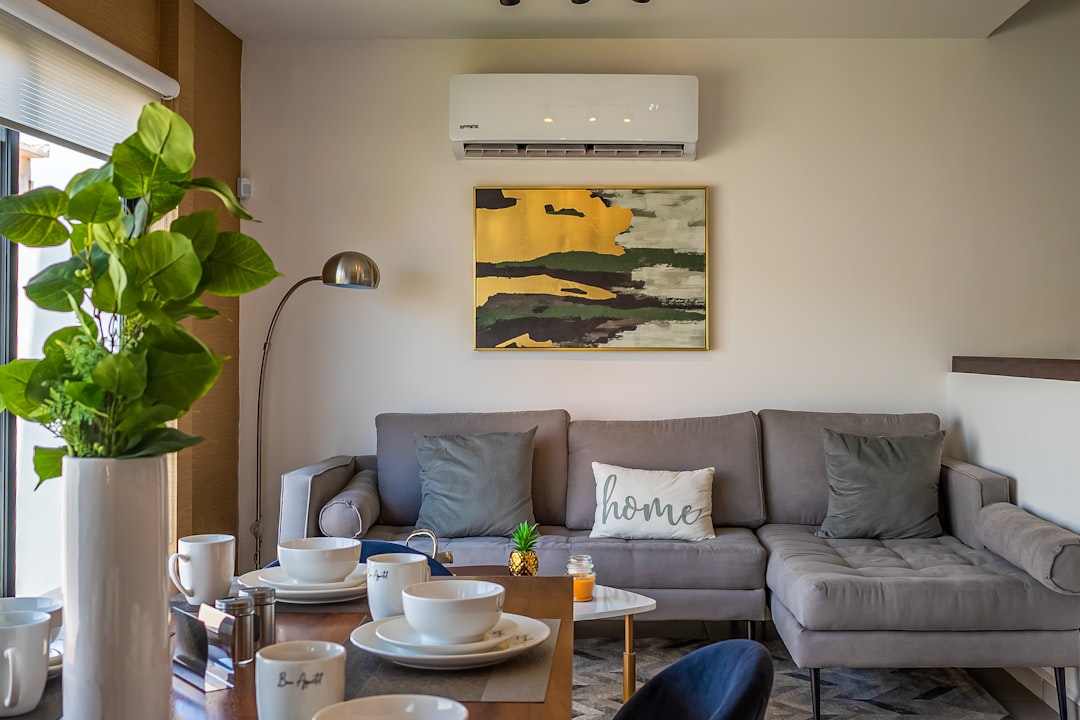
The new HVAC benefits beyond comfort may surprise you — and for homeowners in Contra Costa County, they can make a real difference in your health, your energy bills, and your home's long-term value.
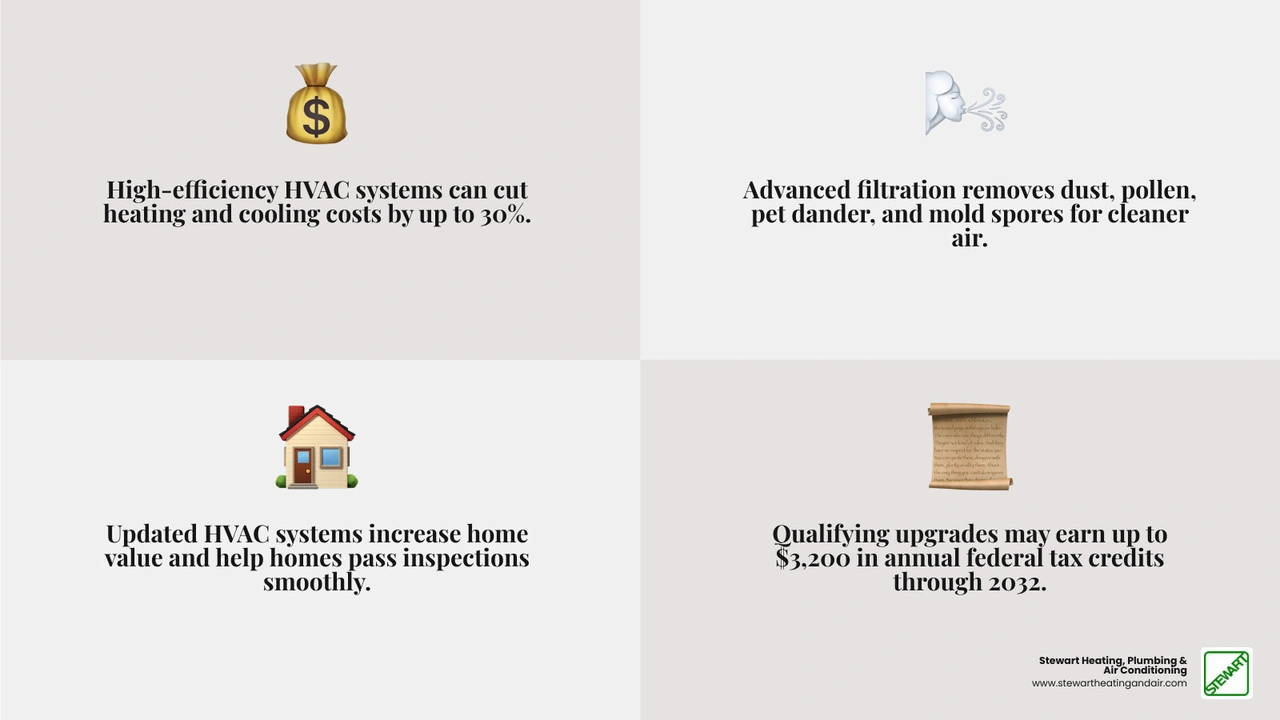
Here's a quick look at what a modern HVAC upgrade can do for you:
| Benefit | What It Means for You |
|---|---|
| Lower energy bills | High-efficiency systems can cut heating and cooling costs by up to 30% |
| Better indoor air quality | Advanced filtration removes dust, pollen, pet dander, and mold spores |
| Improved health | Balanced humidity and cleaner air reduce allergy and respiratory symptoms |
| Increased home value | Updated systems attract buyers and pass inspections with fewer concerns |
| Tax credits and rebates | Qualifying upgrades may earn up to $3,200 annually in federal tax credits through 2032 |
| Longer system life | Professional installation and maintenance supports 15 to 25 years of reliable performance |
| Peace of mind | Warranty coverage and fewer breakdowns reduce financial risk |
Most homeowners think of HVAC as just a way to stay warm in winter and cool in summer. But heating and cooling account for nearly half of a typical home's energy use — making your HVAC system one of the biggest drivers of your monthly utility bill. An older, inefficient system doesn't just cost more to run. It can quietly affect your indoor air quality, your family's health, and even what a future buyer thinks of your home.
Whether your current system is struggling or you're planning ahead, understanding what a new system can do — beyond just keeping you comfortable — helps you make a smarter decision for your home and your budget.
Your HVAC system influences far more than room temperature. It affects airflow, humidity, energy use, and how hard your home has to work to stay comfortable during Contra Costa County's hot summers and chilly winter mornings.
Because heating and cooling are such a large share of household energy use, even modest efficiency gains can make a meaningful difference over time. A better system can also help your home feel more consistent from room to room, instead of giving you the classic "freezer bedroom, sauna hallway" experience.
Aging systems often show up as more than an occasional repair. You may notice:
Older equipment can also struggle to filter air effectively or maintain proper airflow, which may worsen allergy symptoms and indoor comfort overall.
A modern system can lower utility use, reduce breakdowns, and offer warranty protection that helps limit surprise expenses. It can also improve resale appeal when buyers see a well-maintained, updated HVAC system instead of a looming replacement project.
For a deeper look at resale impact, see how a new HVAC system increases home value.
One of the biggest answers to "why upgrade?" is simple: efficiency. New systems are built to do more with less energy, and that matters when HVAC is one of the largest ongoing expenses in the home.
Today's systems may include higher SEER2 cooling efficiency, improved AFUE in furnaces, inverter-driven compressors, and variable-speed motors that adjust output instead of blasting on and off all day.
That matters because older systems tend to run harder, longer, and less precisely. Replacing an inefficient unit with a high-efficiency model can reduce heating and cooling bills by up to 30% in the right conditions.
If you want a side-by-side breakdown, visit Standard Efficiency vs High Efficiency HVAC Comparison.
| Feature | Older HVAC System | Modern High-Efficiency System |
|---|---|---|
| Operation | Single-stage, frequent cycling | Variable-speed or staged operation |
| Energy use | Higher overall consumption | Lower waste and more precise output |
| Temperature control | Larger swings | More consistent comfort |
| Humidity control | Often limited | Better moisture management |
| Noise | Louder starts and stops | Quieter operation |
| Smart features | Usually basic or none | Smart thermostat and app compatibility |
Heat pumps are also worth attention for local homeowners looking for efficient, year-round comfort. In many homes, they provide heating and cooling in one system while using electricity more efficiently than older legacy equipment.
A better HVAC system gets even better when paired with smart controls.
Research shows you can save up to 10% annually on heating and cooling by adjusting thermostat settings strategically. A setback of 7 to 10 degrees for about eight hours a day can significantly reduce energy use. In real life, that can mean easing temperatures while you're at work or asleep, then returning the house to a comfortable setting before you need it.
Smart thermostats make this easier by letting you:
Sometimes the need for replacement is immediate. If a system fails during a summer heat wave or winter cold snap, homeowners may not want to wait while they rebuild savings.
Financing can help spread payments over time, making it easier to move forward with a more efficient system now instead of settling for a short-term patch. It can also open the door to advanced features such as zoning, better filtration, smart thermostats, and stronger warranty options. The big advantage is not just comfort today, but the ability to start gaining efficiency and reliability benefits right away.
When people think about HVAC, they usually think "temperature." Your lungs would like a quick word.
Indoor air quality is one of the most important health-related benefits of a new HVAC system, especially for households with allergies, asthma, pets, or moisture issues.
Modern HVAC systems can support cleaner indoor air through improved filtration, stronger airflow, and better overall air circulation. High-quality media filters and compatible indoor air quality add-ons can help capture:
Cleaner air does not mean your home turns into an operating room, but it can mean less buildup on surfaces, less recirculated debris, and better support for family members sensitive to airborne irritants.
Humidity is a big deal. Too much moisture can encourage mold and mildew growth, create musty odors, and make your home feel sticky even when the thermostat says everything is "fine."
Newer HVAC systems are generally better at balancing airflow and moisture removal. That helps create healthier indoor conditions and may reduce the chance of damp areas contributing to mold problems.
Routine maintenance matters here too. Clean coils, proper drainage, correct airflow, and well-functioning components all support better humidity control. Learn more in How Proper HVAC Maintenance Prevents Mold Growth.
This benefit is easy to underestimate until you experience it.
Many modern systems run much more quietly than older units thanks to variable-speed technology and improved design. Instead of loud on-off cycles, they can maintain steadier airflow and more even temperatures.
That can mean:
For families spending more time at home, that quieter, smoother performance is a genuine quality-of-life upgrade.
Efficiency upgrades can come with financial incentives that improve the long-term value of replacing your system.
Homeowners can claim up to $3,200 per year in federal tax credits for qualifying energy-efficient home improvements through 2032. Depending on the type of equipment, eligible upgrades may include certain high-efficiency heat pumps and other qualifying HVAC components.
In general, homeowners should:
In California, available rebates can change over time based on the equipment type, program funding, utility territory, and household eligibility. The key point is that federal incentives may sometimes be combined with state or utility programs, depending on the rules.
For local guidance, see California Energy Rebates for HVAC Upgrades.
This is the unglamorous but important part. Rebates and tax credits usually depend on very specific details, including:
If a system does not meet the program requirements, the incentive may not apply. That is why professional guidance during equipment selection and installation can be so helpful. The paperwork may not be exciting, but it is a lot more exciting than missing a benefit you could have claimed.
A replacement HVAC system is not just a mechanical upgrade. It can also improve how your home looks to future buyers.
When buyers compare two homes, the one with an updated, efficient HVAC system often feels less risky. They know they are less likely to face an immediate replacement, surprise repair issues, or poor efficiency right after moving in.
That can support better marketability, smoother inspections, and stronger buyer confidence. If you're planning to sell in the future, this is one of the clearest new HVAC benefits beyond comfort.
For more on this topic, read How a New HVAC System Increases Home Value.
Warranties and maintenance history matter because they show buyers that the system was installed thoughtfully and cared for properly.
Helpful value signals include:
A maintenance plan can also help current homeowners protect performance and catch small issues before they become larger ones. Learn more in Is an HVAC Maintenance Plan Worth It.
Even the most efficient equipment can disappoint if it is installed poorly. Correct sizing, airflow design, duct connections, refrigerant charge, and system setup all affect how the equipment performs day to day.
With routine maintenance, a professionally installed HVAC system can last about 15 to 25 years. That kind of lifespan depends heavily on doing the installation right the first time.
Sometimes the smartest HVAC upgrade is not just the equipment itself. It is the full home approach around it.
The average home can lose about 20% to 30% of the air moving through ductwork because of leaks, holes, and poor connections. That is like paying for conditioned air, then donating a chunk of it to the attic or crawl space.
Proper duct sealing and insulation can reduce that waste and help your new system perform the way it should. A home energy assessment can also uncover insulation gaps in attics, walls, and other problem areas. Explore Home Energy Audits to learn more.
Zoning systems use dampers and separate thermostats to direct heating or cooling where it is actually needed. Instead of conditioning the entire home the same way all the time, zoning allows for more targeted control.
Depending on the home and setup, zoning systems can lead to energy savings of 21% to 42% while also reducing wear on the system.
Your HVAC system does not work alone. Other parts of the home can either help it or make it fight uphill.
Research shows that heat gain and loss through windows account for 25% to 30% of residential heating and cooling costs. Ceiling fans can also help by improving air movement, and strategic thermostat use paired with fans may reduce runtime.
Outdoor shade matters too. Strategically placed trees can reduce household energy usage by up to 25%. In warm parts of Contra Costa County, that extra shade on the right side of the house can make a noticeable difference.
Not every home has the same weak points. One home may need duct sealing first. Another may benefit most from insulation, zoning, or window improvements.
That is why an audit is useful. It helps identify hidden air loss, insulation gaps, and performance issues so you can prioritize the upgrades that will matter most. You can schedule an energy audit if you want a clearer picture of where your home is losing efficiency.
Often, yes. If your system is older, breaking down often, or struggling with airflow and efficiency, replacement can make more sense than repeated repairs. A common rule of thumb is that when a major repair starts approaching about half the value of a replacement, it is time to take a hard look at upgrading.
The benefit is not just reliability. You may also gain lower energy use, better air quality, quieter performance, and fewer disruptions.
Absolutely. Heat pumps can provide year-round heating and cooling in one system, support all-electric comfort, and reduce environmental impact compared with older, less efficient equipment. They also work well with smart controls and other modern efficiency features.
For local insight, read Energy Efficient Heat Pump Brentwood CA.
Maintenance protects the investment you just made. Seasonal tune-ups help keep airflow where it should be, support efficiency, reduce wear, and may help maintain warranty compliance.
It also catches small issues early, which is a lot better than discovering them on the hottest day in July when the house feels like a toaster oven with furniture.
The biggest new HVAC benefits beyond comfort are really about what your system does for your whole home: cleaner air, lower energy waste, better humidity control, stronger resale appeal, and more peace of mind over the long run.
At Stewart Heating, Plumbing & Air Conditioning, we believe homeowners in Pittsburg, Antioch, Concord, Brentwood, Walnut Creek, Pleasant Hill, Orinda, Lafayette, Danville, Martinez, Alamo, Oakley, and throughout Contra Costa County deserve solutions that are installed correctly and built to last. Our focus has always been quality workmanship, customer satisfaction, and doing the job right the first time.
If you'd like to learn more about our approach, visit Benefits of Choosing a Company Serving Since 1974 and How Family Ownership Translates to Quality and Trust.
For help with a healthier, more efficient home, explore more info about HVAC services.

Very professional and complete. I would recommend Stewart to anyone. Highest quality of workmanship and clean installation.
Stewart Heating Plumbing Air Conditioning just did some work for us for the first time. They did an installation at my home and it turned out well. I thought the price was fair and I definitely would use them again. The technicians were very friendly and knowledgeable about their work. I highly recommend Stewart Heating Plumbing Air Conditioning and already told friends to use them.
We have been using Stewart Heating Plumbing Air Conditioning since 1995. They put the original heating and air unit in the house, and we have just stayed with them. They are dependable and honest people, and they have done a good job for us every time that we have used them!
They came and did an inspection and are coming tomorrow to do the repair.
They replaced a regulator the first time, and then the water heater vent had to be replaced. They did great work.
The gentleman that serviced us was helpful, insightful, and knew what he was talking about. Overall, it was a great experience.