

Recent Blogs
Stay updated with our latest blog posts.
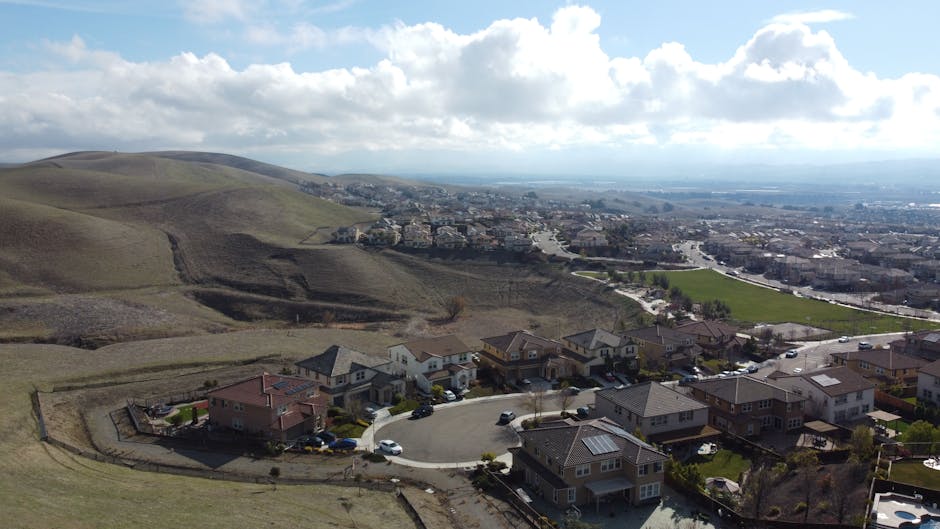
PG&E rebates for Contra Costa County homeowners are more accessible than most people realize — and in many cases, they can be stacked with local county, city, and federal programs to dramatically reduce what you pay out of pocket for HVAC, water heating, EV charging, and backup power upgrades.
Here is a quick summary of the main rebates currently available as of July 2026:
| Program | What It Covers | Max Rebate |
|---|---|---|
| PG&E Generator/Battery Rebate | Portable backup power | $300 |
| PG&E Pre-Owned EV Rebate | Used EV purchase or lease | Up to $4,000 (income-qualified) |
| PG&E Residential EV Charging | Home EV charger equipment | Up to $5,000 (income-qualified) |
| HEEHRA (via TECH Clean CA) | Heat pump HVAC installation | Up to $8,000 (low income) |
| Bay Point/Pittsburg Pilot Program | Heat pump HVAC | Up to $8,000 (50% of project cost) |
| Pinole Energy Enhancement (PEER) | Heat pump HVAC, water heater, insulation, and more | Up to $3,000 per upgrade |
| Contra Costa County E-Bike Rebate | E-bike purchase | $150–$500 |
Most Contra Costa homeowners leave money on the table simply because they don't know these programs exist — or they don't realize that combining multiple rebates is often allowed. For example, Richmond homeowners who layered city, county, and PG&E incentives have historically been able to save significantly on whole-home energy upgrades.
Whether you're planning to install a heat pump, upgrade your water heater, add EV charging to your garage, or improve your home's insulation, understanding how these rebates work together is the first step to making your project far more affordable.
Key pge rebates for contra costa county homeowners vocabulary:
PG&E provides a direct lineup of rebates designed to encourage clean transportation, energy resilience, and home efficiency. For homeowners looking to reduce their carbon footprint or protect their homes from seasonal power disruptions, these core utility programs are an excellent place to start.
If you reside in an area prone to Public Safety Power Shutoffs (PSPS) or high wildfire risk in Contra Costa County—such as parts of Walnut Creek, Lafayette, or Alamo—PG&E offers a $300 rebate for purchasing a qualified portable generator or battery backup system. This program helps ensure you maintain access to essential backup power for medical devices, refrigeration, and basic home communications during unexpected outages.
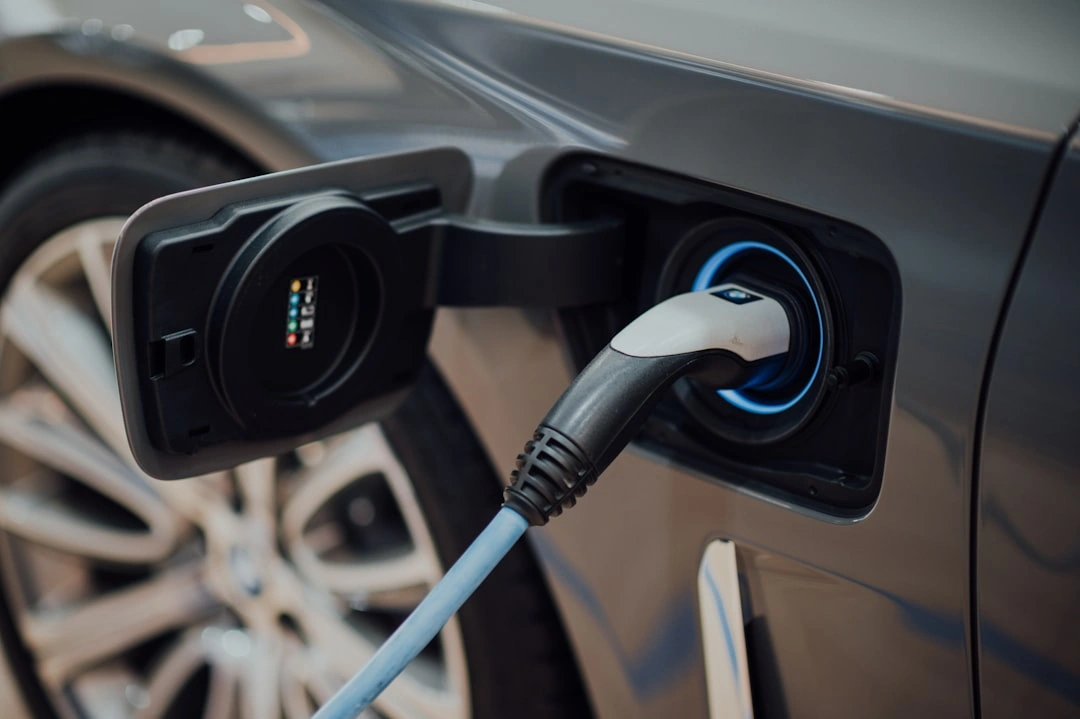
Transitioning to an electric vehicle is highly incentivized for PG&E customers. If you are shopping for an EV or looking to set up your home charging infrastructure, you can tap into two major programs:
To find out how these transportation incentives pair with your home's heating and cooling systems, explore our guide on california energy rebates for hvac upgrades.
For low-to-moderate-income families in Contra Costa County, PG&E scales up its support through the Rebate Plus tier. These enhanced incentives ensure that clean technology is financially reachable for everyone in our local communities, from Pittsburg to Concord.
If your household meets the income limits—often verified through participation in public assistance programs like CARE (California Alternative Rates for Energy) or FERA (Family Electric Rate Assistance)—you qualify for substantially higher amounts:
To access these elevated amounts, you must submit income verification documents or provide your CARE/FERA enrollment details during the online application process.
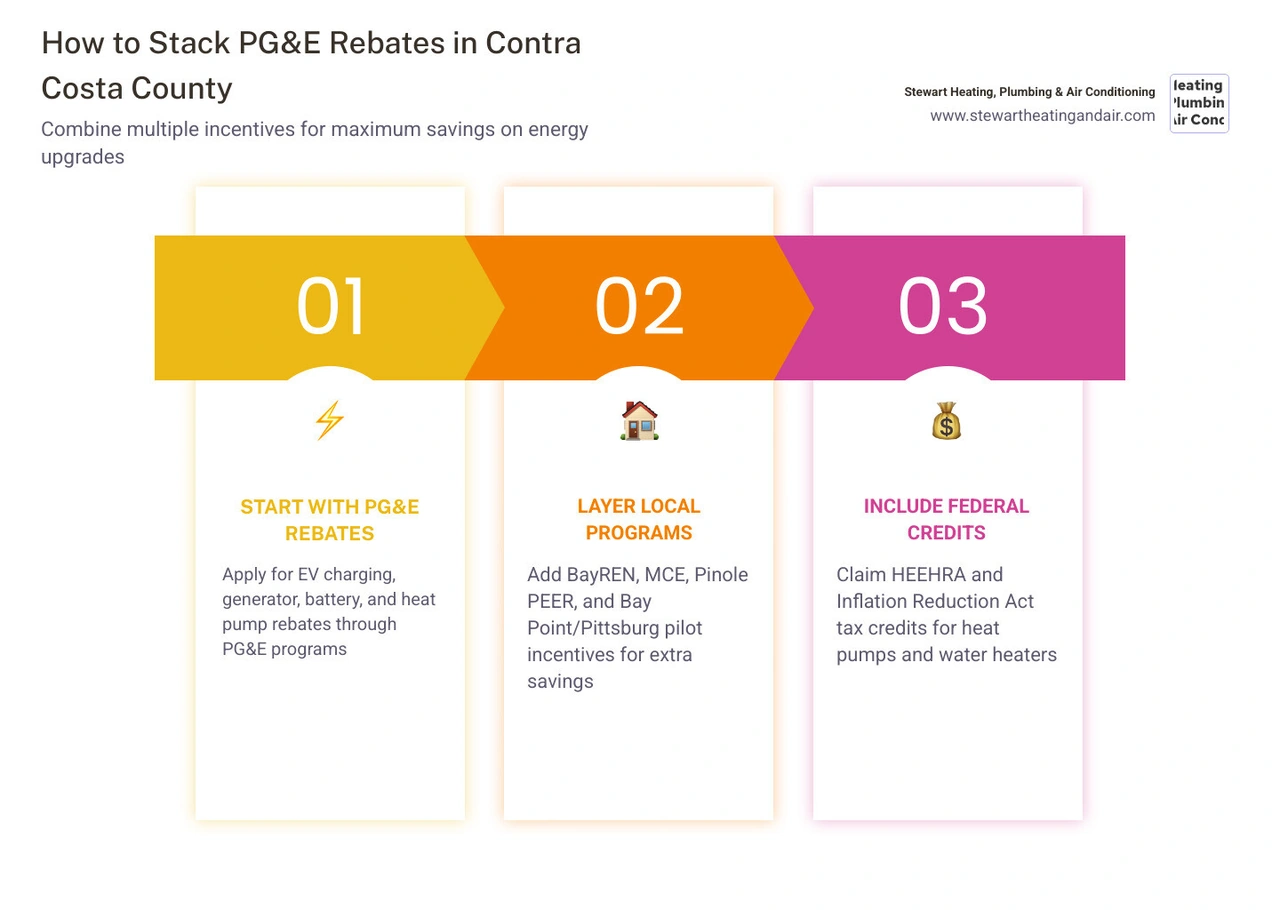
One of the best-kept secrets of home energy planning is incentive stacking. You do not have to choose between a PG&E rebate and a local county or city program; in most cases, you can claim both.
By combining utility programs with regional initiatives, you can offset a massive portion of your project costs. This is particularly relevant when you consider how Contra Costa County climate affects your HVAC and plumbing, making high-efficiency heating and cooling a smart year-round investment.
The Bay Area Regional Energy Network (BayREN) offers robust rebates for single-family homeowners. When you work with a participating contractor, you can access incentives for duct sealing, insulation, and heat pump installations.
Similarly, MCE (Marin Clean Energy), which serves many communities in Contra Costa County, offers specialized energy efficiency and multifamily programs that stack beautifully with PG&E's baseline offerings.
Depending on where your home is located, you may have access to localized, high-value municipal programs:
To help you compare these local opportunities, we have put together a breakdown of the current programs below:
| Program / Location | Eligible Upgrades | Maximum Incentive | Key Requirements |
|---|---|---|---|
| Pinole PEER Program (Pinole) | Heat pump HVAC, heat pump water heaters, insulation, duct sealing | Up to $3,000 per upgrade type | Single-family homes; must use a TECH-certified contractor for heat pumps. |
| Bay Point / Pittsburg Pilot (Bay Point & Pittsburg) | Heat pump HVAC (ducted or ductless) | Up to $8,000 (covers up to 50% of project) | Pre-2010 homes; located in specific CalEnviroScreen target tracts. |
| Contra Costa E-Bike Rebate (County-wide) | Electric bicycle purchase | $150 to $500 | Higher amounts reserved for Pittsburg, Antioch, Concord, and Richmond. |
Beyond local programs, the federal government offers major financial incentives through the Inflation Reduction Act (IRA). The most notable federal program is HEEHRA (High-Efficiency Electric Home Rebate Act), which is designed to provide point-of-sale discounts for electrification projects.
Under HEEHRA, low-income households (earning less than 80% of the Area Median Income) can qualify for up to $8,000 for a heat pump HVAC system. Moderate-income households (80% to 150% AMI) can receive up to $4,000.
Additionally, the Energy Efficient Home Improvement Credit (Section 25C) allows you to claim a federal tax credit of up to 30% of the project cost (capped at $2,000 annually) for qualifying heat pump installations.
By stacking these federal benefits with your local pge rebates for contra costa county homeowners, you can maximize your savings. Learn more about how to structure these upgrades by reading our guides on federal tax credits for heat pump and water heater upgrades and the overall heat pump benefits for bay area homeowners.
Securing these rebates requires following a precise application process. Missing a single step or document can result in your application being delayed or denied. Here is the step-by-step path to ensuring a successful rebate payout:
For almost all high-value electrification rebates—including HEEHRA, BayREN, and local programs like PEER—you must use a licensed contractor who holds specific certifications. For heat pump space heating and cooling, the contractor must be TECH Clean California certified.
Before purchasing any equipment, verify that the units meet the strict efficiency standards required by the rebate programs. For instance, many local pilot programs require heat pumps to have a minimum rating of 16 SEER2 and 9.0 HSPF2 (or 17 SEER and 9.4 HSPF).
To understand what these numbers mean for your comfort and your wallet, refer to our articles on standard efficiency vs high efficiency hvac comparison and efficiency ratings explained for homeowners.
Many local programs, such as the Bay Point/Pittsburg Pilot and the Pinole PEER program, require you to submit a Rebate Reservation Form before any installation work begins. This reserves the funds for your project, typically giving you a 90-day window to complete the installation.
A building permit from your local city or county building department is non-negotiable. Once the installation is complete, the permit must be fully signed off and "finaled" by a local inspector.
When submitting your final rebate application, you will typically need to provide:
As of July 2026, home energy rebate programs are experiencing incredibly high demand. Because funding for these programs is finite, waitlists and reservation pauses are common.
For example, the single-family HEEHRA rebate program paused new income verifications in early 2026, placing many Northern California projects on a waitlist. Similarly, municipal pilot programs operate on a first-come, first-served basis, and funding can be fully reserved quickly.
If you are planning an upgrade, it is vital to check the current program status with your contractor before signing any agreements. If a waitlist is active, securing a reservation early is your best path to receiving funds when a new program phase opens.
Fortunately, even if certain waitlists are temporarily frozen, other options like federal tax credits and standard PG&E rebates remain consistently active. To see why making the switch to all-electric is worth the wait, read our analysis on are heat pumps ideal for mediterranean climates.
Yes. Under IRS guidelines, any utility or municipal rebate that exceeds $600 is considered taxable income. When you apply for a rebate of this size, you will be required to submit a completed W-9 form. The administering agency will then issue you a 1099-MISC form at the end of the tax year for your IRS tax reporting.
Absolutely. To qualify for almost all PG&E, county, and city-level rebates, you must provide a copy of a finaled building permit. This ensures that the installation complies with all local building and safety codes. If you are planning an upgrade in Concord, you can read more about what to expect during the permitting and installation process by checking out HVAC Installation Concord CA.
No. Self-installation (DIY) will disqualify you from receiving these rebates. Program administrators require all installations to be performed by a licensed contractor to guarantee safety, proper system sizing, and code compliance.
Furthermore, to access heat pump and water heater rebates, the work must be completed by a specialized TECH Clean California contractor. For professional, rebate-eligible installations, you can learn more about our local services by visiting Residential HVAC Concord CA.
Navigating pge rebates for contra costa county homeowners can feel overwhelming, but you don't have to do it alone. At Stewart Heating, Plumbing & Air Conditioning, we specialize in helping homeowners throughout Pittsburg, Concord, Walnut Creek, and the surrounding Contra Costa communities maximize their comfort and their savings.
Our team of fully licensed, TECH-certified professionals is dedicated to doing the job right the first time. We handle the complex technical requirements, ensure all local permits are secured, and provide you with the exact documentation you need to claim every dollar of rebate money you deserve.
If you are ready to experience the quiet efficiency, lower energy bills, and superior comfort of a modern home comfort system, check out the heat pump advantages over traditional HVAC.
Ready to get started? Schedule your home energy efficiency upgrade today and let us help you design a high-performance system that practically pays for itself!

Very professional and complete. I would recommend Stewart to anyone. Highest quality of workmanship and clean installation.
Stewart Heating Plumbing Air Conditioning just did some work for us for the first time. They did an installation at my home and it turned out well. I thought the price was fair and I definitely would use them again. The technicians were very friendly and knowledgeable about their work. I highly recommend Stewart Heating Plumbing Air Conditioning and already told friends to use them.
We have been using Stewart Heating Plumbing Air Conditioning since 1995. They put the original heating and air unit in the house, and we have just stayed with them. They are dependable and honest people, and they have done a good job for us every time that we have used them!
They came and did an inspection and are coming tomorrow to do the repair.
They replaced a regulator the first time, and then the water heater vent had to be replaced. They did great work.
The gentleman that serviced us was helpful, insightful, and knew what he was talking about. Overall, it was a great experience.