

Recent Blogs
Stay updated with our latest blog posts.

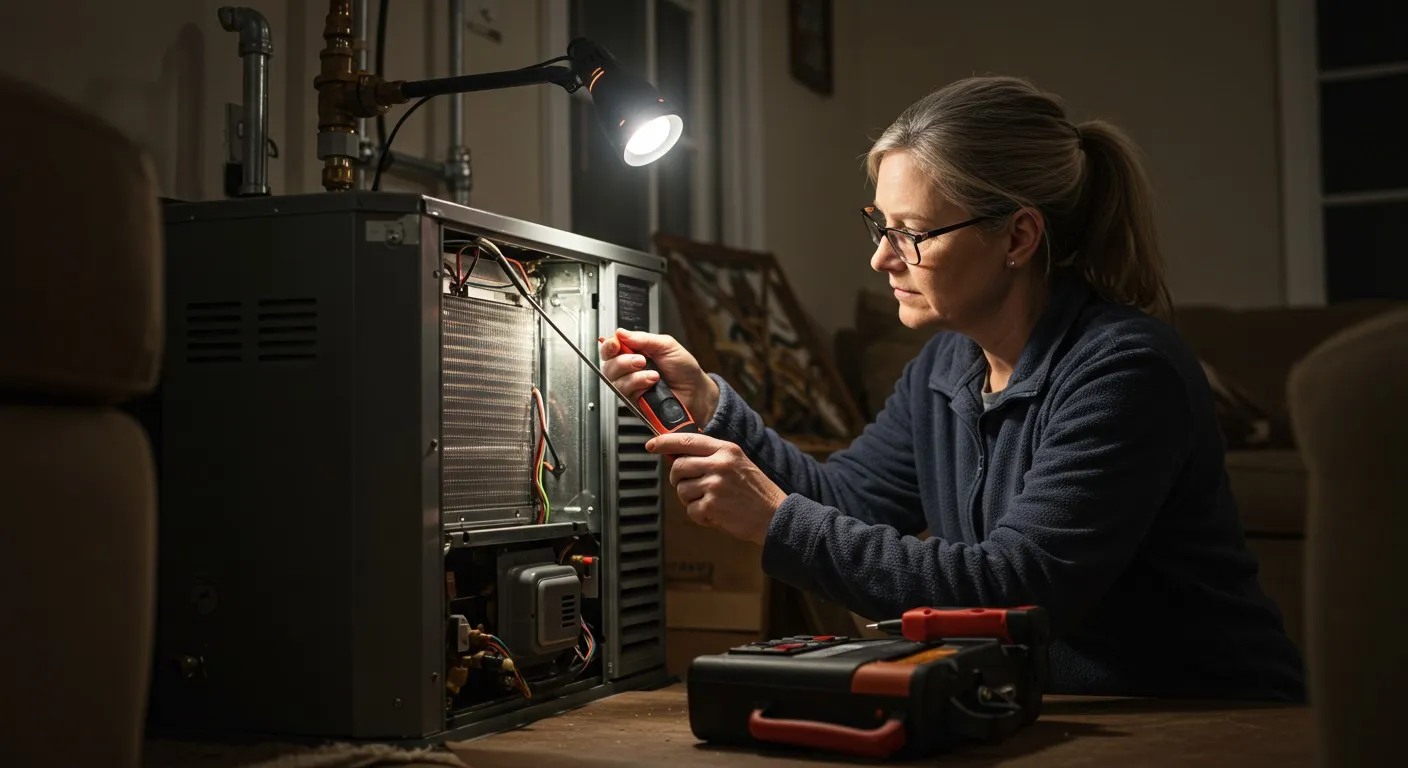
What does an HVAC maintenance plan include is one of the most important questions you can ask before signing a service agreement — and the answer covers a lot more than most homeowners expect.
Here is a quick overview of what a standard HVAC maintenance plan typically covers:
Heating and cooling account for over 52% of a home's energy use. Without regular care, a system can lose up to 5% of its operating efficiency every single year — and that adds up fast. Whether you own a home in Pittsburg, Antioch, Walnut Creek, or anywhere across Contra Costa County, a well-structured maintenance plan is one of the most practical ways to protect your comfort, your budget, and your equipment's lifespan.
Think of it like an oil change for your car or a cleaning at the dentist. You do it not because something is broken, but because skipping it almost guarantees something will break — usually at the worst possible time.
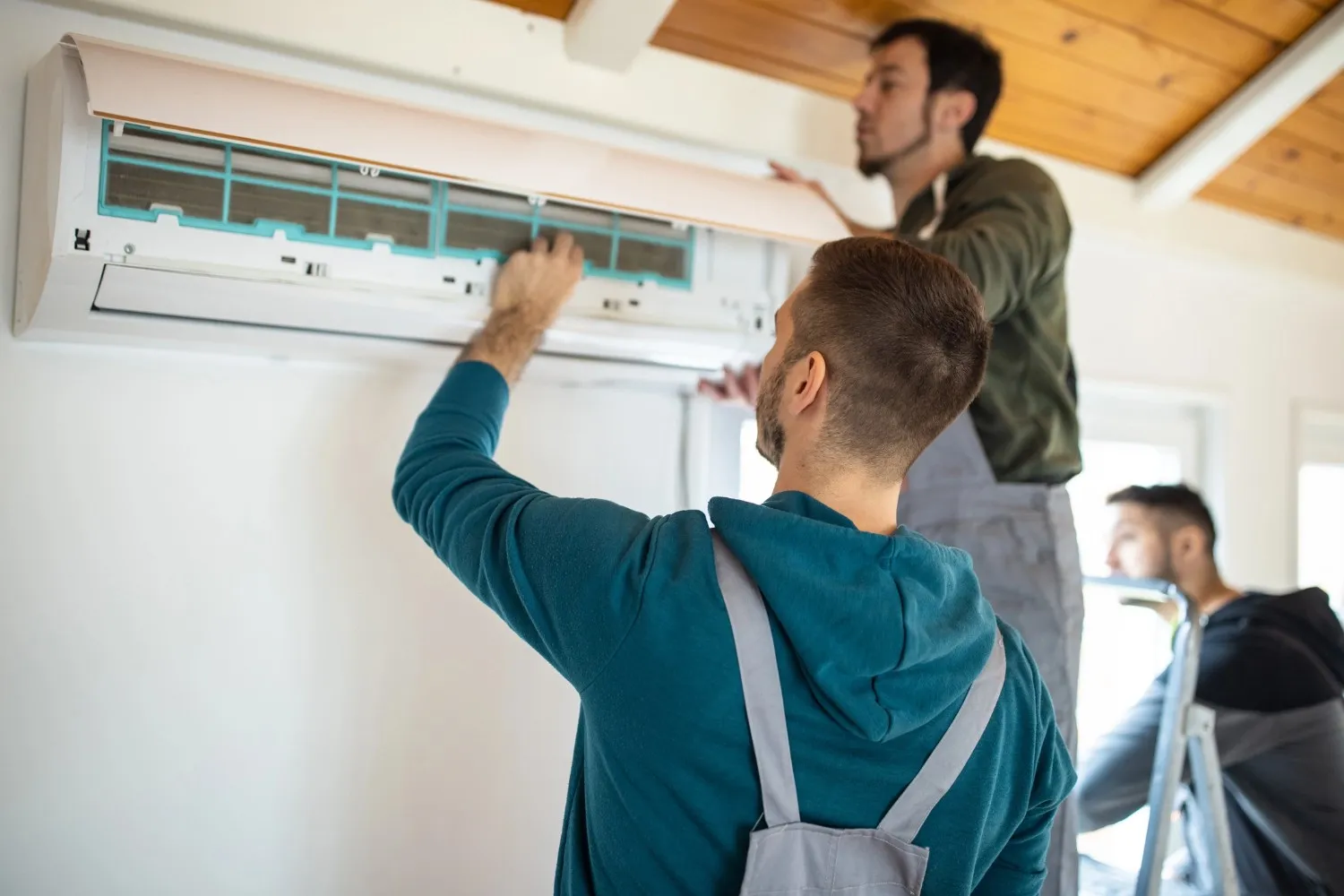
When looking into how to protect your home’s heating and cooling systems, it is easy to get confused by the different terms. Many homeowners ask us, "If I already have a manufacturer's warranty or a home warranty, why do I need an HVAC maintenance plan?"
The short answer is that warranties are reactive, while maintenance plans are proactive. A warranty is designed to help you cover the costs of parts or system failures after they happen. A maintenance plan is designed to stop those failures from happening in the first place.
To help clear up the confusion, let's look at how these three levels of protection compare:
| Feature / Coverage | HVAC Maintenance Plan | Manufacturer Warranty | Home Warranty |
|---|---|---|---|
| Primary Purpose | Proactive prevention, safety, and efficiency optimization. | Protection against factory-defective parts. | Reactive coverage for home system wear and tear. |
| Routine Cleaning & Tuning | Included (coils, drains, burners, electrical). | Not covered. | Not covered. |
| Labor Costs | Often includes discounts on repairs; tune-up labor is fully covered. | Typically only covered for the first year after installation. | Requires a service call fee for every visit. |
| Requirement for Validity | Keeps manufacturer warranties active through documented proof. | Often voided if you cannot prove annual professional service. | Can deny claims if a breakdown is attributed to "neglect." |
| Emergency Perks | Priority scheduling, no after-hours fees (depending on plan). | None. | None (you must wait for their assigned contractor). |
Relying solely on warranties can leave you with unexpected repair bills and a lot of headaches. For example, if your air conditioner's compressor fails during a scorching July weekend in Antioch, a manufacturer's warranty might cover the cost of the replacement compressor, but it won't cover the hundreds of dollars in labor to install it. Furthermore, if the manufacturer discovers the failure was caused by dirty coils or low refrigerant — issues that would have been caught during a routine tune-up — they can deny your warranty claim entirely.
Enrolling in a professional agreement shifts you from reactive emergency repairs to predictable, preventative care. To dive deeper into the financial benefits and see if these agreements make sense for your budget, check out our detailed guide on Is an HVAC Maintenance Plan Worth It.
A true, professional HVAC maintenance visit is not a quick visual inspection or a simple filter swap. It is a highly technical, multi-point process that typically takes 60 to 90 minutes per system. When a licensed technician from Stewart Heating, Plumbing & Air Conditioning arrives at your home, they work through a rigorous checklist to ensure every mechanical and electrical component is operating safely and at peak efficiency.
Here are the core components included in a standard professional tune-up:
To learn more about what our technicians look for during these comprehensive evaluations, read our complete breakdown of What Does an HVAC Maintenance Visit Include.
When the warm California summer rolls into Contra Costa County, your air conditioner needs to be ready to work overtime. The cooling-focused portion of your maintenance plan — typically scheduled in the spring — focuses on heat transfer, moisture management, and electrical efficiency.
Key tasks performed during a cooling maintenance visit include:
Whether you need specialized HVAC Maintenance Walnut Creek CA or are looking for reliable HVAC Maintenance Concord CA, a spring cooling tune-up ensures your system can handle the hottest days of the year without breaking a sweat.
As the autumn leaves begin to fall and the nights turn chilly in the East Bay, the focus of your maintenance plan shifts to safety and combustion efficiency. Heating systems — especially natural gas furnaces — require precise tuning to ensure they burn fuel safely and vent combustion byproducts out of your home.
Key tasks performed during a heating maintenance visit include:
If you are a local homeowner, keeping your heating system in top shape is easy with our HVAC Maintenance Pittsburg CA Guide and our dedicated services for HVAC Maintenance Antioch CA.
In Contra Costa County, our climate demands a lot from our heating and cooling systems. We experience hot, dry summers that put immense pressure on our air conditioners, followed by damp, chilly winters that keep our furnaces running through the night.
Because our systems transition between heavy cooling use and consistent heating use, bi-annual service (twice per year) is highly recommended.
Staggering these visits helps catch small wear-and-tear issues before they turn into major system breakdowns. In fact, up to 95% of major HVAC breakdowns can be prevented through regular, seasonal tune-ups.
To help you stay on top of your system's needs throughout the year, we've put together an Annual HVAC Maintenance Guide 2026. If you live in our local communities, scheduling these seasonal visits is simple and convenient. We provide expert HVAC Maintenance Lafayette CA and trusted HVAC Maintenance Danville CA to keep your home comfortable in every season.
While a professional maintenance plan is essential for the technical and safety-related aspects of your system, there are several simple tasks you can perform yourself to keep your system running smoothly between professional visits.
Understanding what you can do versus what requires a licensed technician is key to maintaining your system safely:
Any task that requires opening up the electrical cabinets, handling refrigerant, or working with gas combustion elements must be left to a licensed, EPA-certified technician. Handling refrigerant legally requires EPA Section 608 certification, and working with gas lines or high-voltage electrical components carries significant safety risks.
We are proud to serve our neighbors with reliable HVAC Maintenance Oakley CA and expert HVAC Maintenance Alamo CA to ensure your professional maintenance is completed safely and correctly.
For standard residential systems, we recommend scheduling professional maintenance twice per year: once in the spring for your air conditioning system and once in the fall for your heating system.
If you use a heat pump system (which handles both heating and cooling duties year-round), bi-annual service is still essential because the system operates during both seasons and accumulates wear and tear twice as fast as a single-season system. Regular, twice-yearly visits help maintain high energy efficiency and prevent mid-season breakdowns.
If you are located in the East Bay, we can help you set up a convenient schedule with our dedicated HVAC Maintenance Orinda CA services.
Yes, absolutely. Almost all major HVAC manufacturers (including Carrier, Lennox, Trane, and Goodman) explicitly state in their warranty terms that the system must be professionally maintained on an annual basis to keep the parts warranty valid.
If a major component like your compressor or heat exchanger fails, the manufacturer will often require documented proof of regular, professional maintenance before they will agree to ship a replacement part. Enrolling in a maintenance plan ensures you always have a digital paper trail of professional service reports to protect your investment.
Our team helps homeowners maintain full warranty compliance with reliable HVAC Maintenance Pleasant Hill CA services.
Skipping regular maintenance on your heating and cooling systems can lead to a variety of costly and frustrating problems:
Protect your home and family by scheduling regular service. We provide comprehensive HVAC Maintenance Brentwood CA and trusted HVAC Maintenance Martinez CA to keep your home running safely and efficiently.
An HVAC maintenance plan is one of the smartest investments you can make for your home. By keeping your heating and cooling systems clean, calibrated, and fully optimized, you will enjoy lower energy bills, a longer system lifespan, and complete peace of mind knowing your home is safe from hazards like carbon monoxide and electrical issues.
At Stewart Heating, Plumbing & Air Conditioning, we have built our reputation across Contra Costa County on a simple foundation: quality work, customer satisfaction, and doing the job right the first time. Our experienced, licensed technicians are dedicated to keeping your home comfortable in every season.
Ready to protect your comfort and secure your system's performance? Learn more about our options and sign up today by visiting our HVAC Maintenance Agreement page.

Very professional and complete. I would recommend Stewart to anyone. Highest quality of workmanship and clean installation.
Stewart Heating Plumbing Air Conditioning just did some work for us for the first time. They did an installation at my home and it turned out well. I thought the price was fair and I definitely would use them again. The technicians were very friendly and knowledgeable about their work. I highly recommend Stewart Heating Plumbing Air Conditioning and already told friends to use them.
We have been using Stewart Heating Plumbing Air Conditioning since 1995. They put the original heating and air unit in the house, and we have just stayed with them. They are dependable and honest people, and they have done a good job for us every time that we have used them!
They came and did an inspection and are coming tomorrow to do the repair.
They replaced a regulator the first time, and then the water heater vent had to be replaced. They did great work.
The gentleman that serviced us was helpful, insightful, and knew what he was talking about. Overall, it was a great experience.